How to Make Small Spaces Feel Bigger
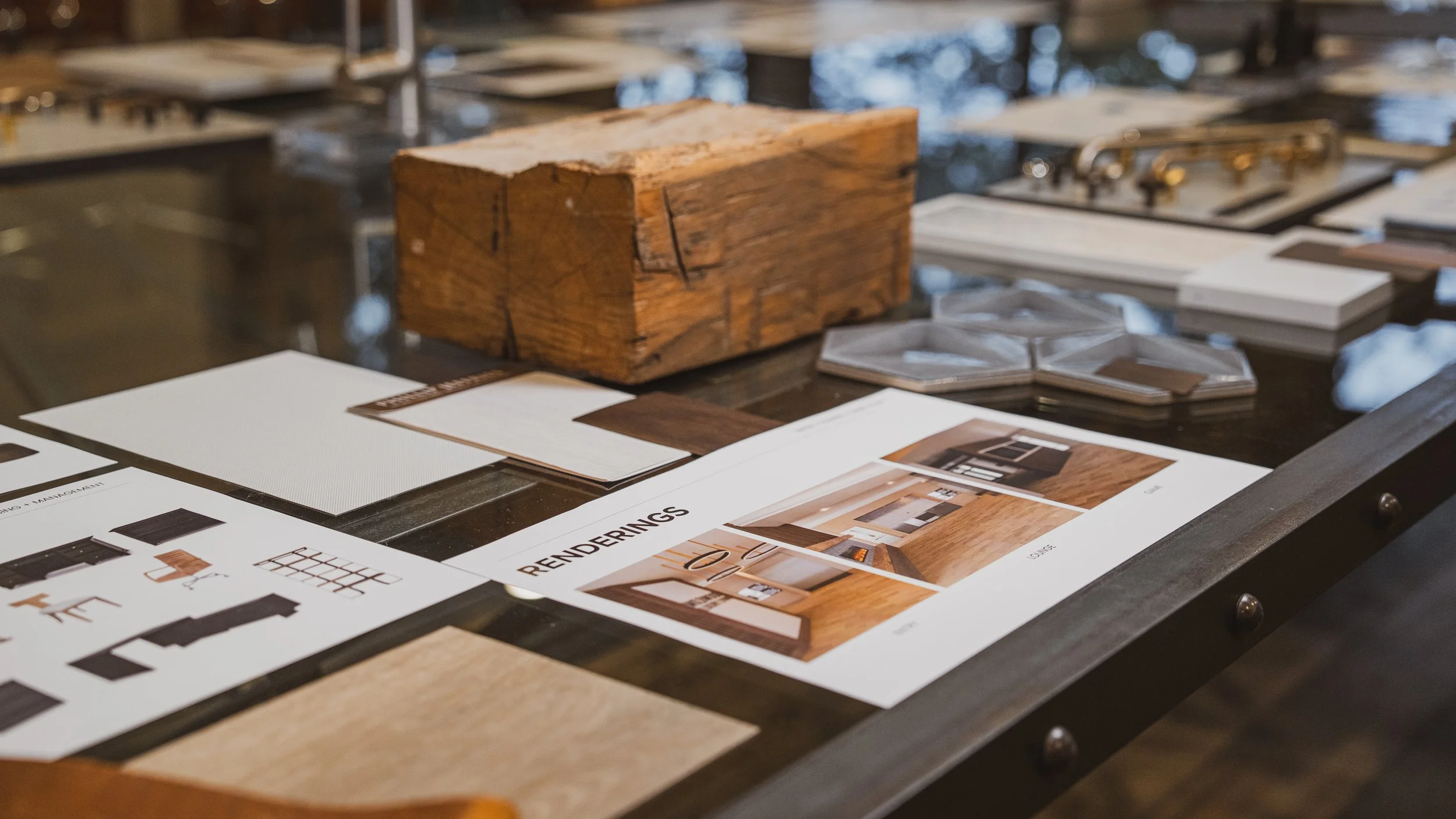
Not every home starts with sprawling square footage–but with the right design strategy, even the smallest rooms can feel open, airy, and intentionally styled. Whether it’s a compact bathroom, a cozy bedroom, or a tight kitchen corner, thoughtful remodeling choices can completely change how a space looks and lives. Here are some of the most effective ways homeowners can make small spaces feel bigger without sacrificing style or functionality.
Maximize Light
Light is the easiest way to visually expand a room. Large windows, glass doors, or even a well-placed skylight immediately make a space feel more open. In areas where structural changes aren’t possible, layered lighting does the trick–think recessed ceiling lights, wall sconces, under-cabinet lighting, and soft accent lights. The goal is to eliminate dark corners and create an even wash of light across the room.
Use Mirrors Strategically
Mirrors are a designer’s secret weapon. They bounce light, create depth, and reflect surrounding views, making a room feel twice its size. Oversized mirrors behind vanities, mirrored closet doors, or even a mirrored backsplash in a small kitchen can deliver a dramatic sense of openness with minimal investment.
Choose a Light, Neutral Color Palette
Soft whites, warm beiges, creamy greys, and pale taupes help walls recede visually, giving the illusion of a larger footprint. This doesn’t mean everything has to be plain–add depth with textured fabrics, natural wood tones, and subtle patterns to keep the room from feeling flat.
Opt for Built-Ins Instead of Bulky Furniture
Custom built-ins are perfect for maximizing every inch of tight spaces. Whether it’s a built-in media wall, a window seat with hidden storage, or recessed into the wall, these solutions eliminate clutter and create a clean, streamlined look. Built-ins also allow for tailored storage that fits the room’s exact dimensions.
Use Multi-Functional Furniture
Pieces that do double duty–like ottomans with storage, Murphy beds, expandable dining tables, or vanities with built-in organizers–help reduce visual clutter and free up precious floor space. In very small rooms, floating furniture (like wall-mounted nightstands or vanities) can further open up the footprint.
Keep Sight Lines Clear
A room feels larger when you can see more of the floor. Avoid tall, bulky pieces that block the view when you walk in. In kitchens, glass cabinet doors or open shelving can minimize visual weight, while in living rooms, low-profile sofas and slim-legged chairs keep the space airy and unobstructed.
Choose the Right Flooring Direction
Installing flooring planks parallel to the longest wall can elongate a space. In narrow rooms or hallways, laying planks diagonally creates the illusion of width. Consistent flooring throughout the main level also removes visual barriers, creating a seamless flow from room to room.
Declutter and Simplify
Nothing shrinks a room faster than clutter. A few intentional accessories go a long way–quality over quantity. Hide cords, minimize decor, and keep surfaces clean. Organized storage systems inside closets, cabinets, and built-ins make maintaining that simplicity easier.
Small spaces don’t have to feel cramped or limiting. With thoughtful design choices–like maximizing light, choosing the right materials, and incorporating smart storage solutions. Stay tuned as we here at KBUILD can’t wait to show you what comes next. If you’re interested in your own project, reach out to us at 636-362-2015, send us an email at kbuild@kbuildit.com, or click the link to go straight to our project inquiry form. We will respond promptly and help you follow through with the next steps to start on your custom project today!