
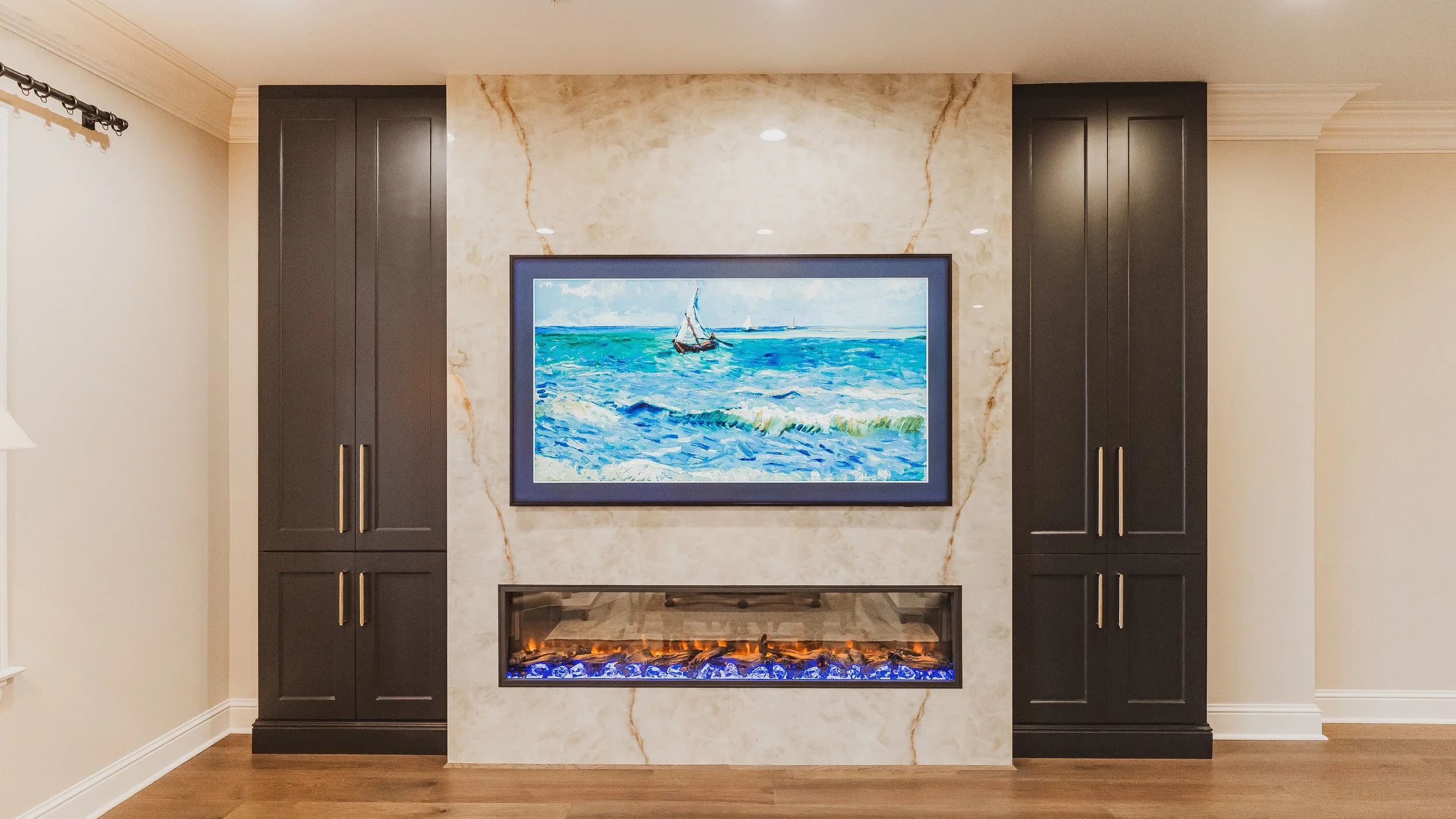
Ways To Transform Your Fireplace
As the temperatures drop and the days get shorter, the fireplace naturally becomes one of the most inviting features in a home. But if yours feels outdated, blends into the background, or doesn't match the rest of your living room, it might be time for a change. A fireplace makeover can do much more than update the area around the fire. With the right materials, proportions, and design details, it can become the focal point of the entire room.
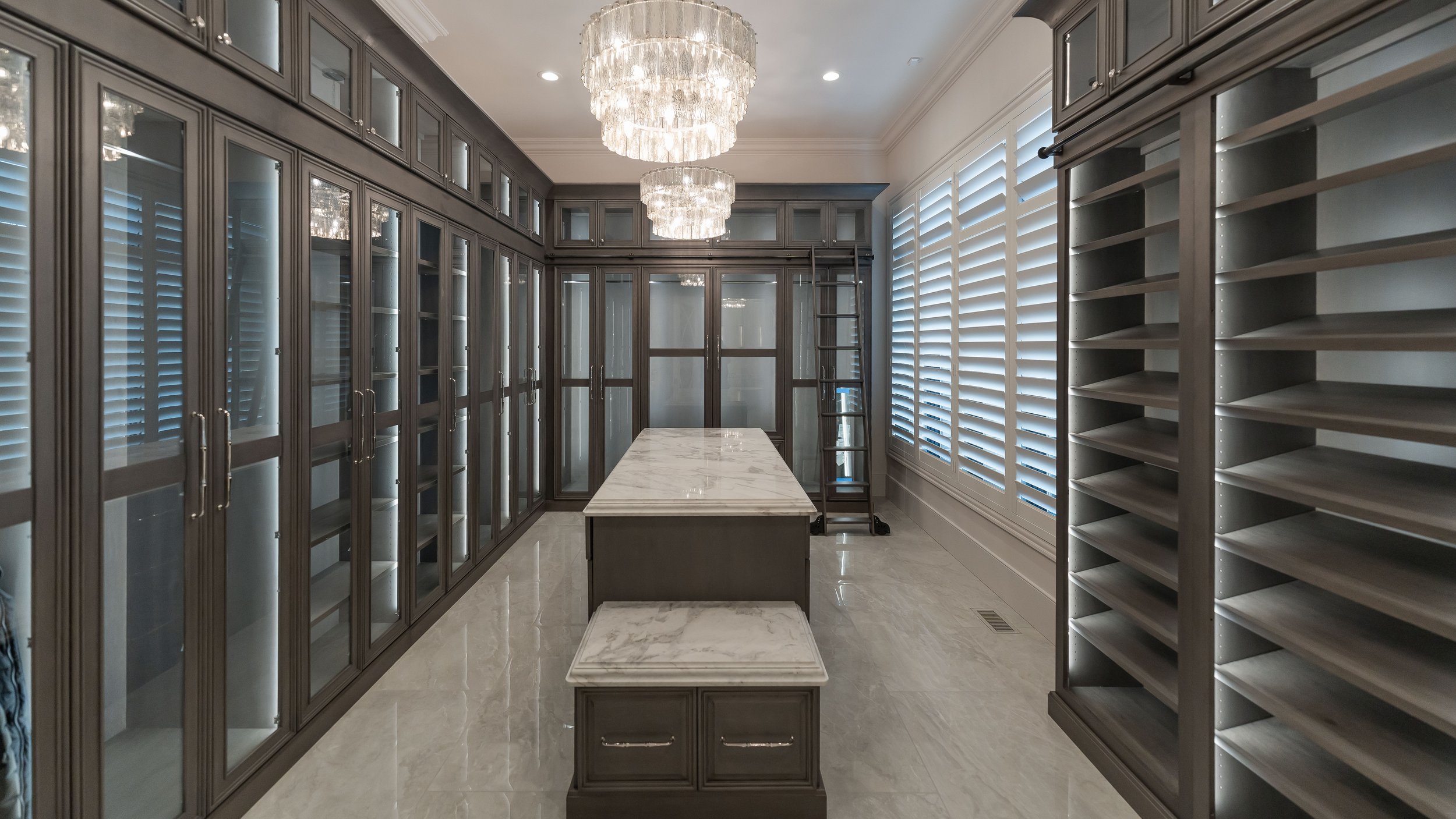
Closet Features You Didn’t Know You Needed
A Walk-in closet should do more than give you a place to hang your clothes. When thoughtfully designed, it can make getting ready easier, keep your wardrobe organized, and make better use of every inch of available space. But some of the most useful closet features aren’t always the first things homeowners think about. Beyond hanging rods and basic shelving, there are storage solutions designed around the little frustrations of everyday life–from searching for accessories to running out of room for shoes. Whether you're planning a brand-new custom closet or considering a remodel, here are seven storage features worth considering.
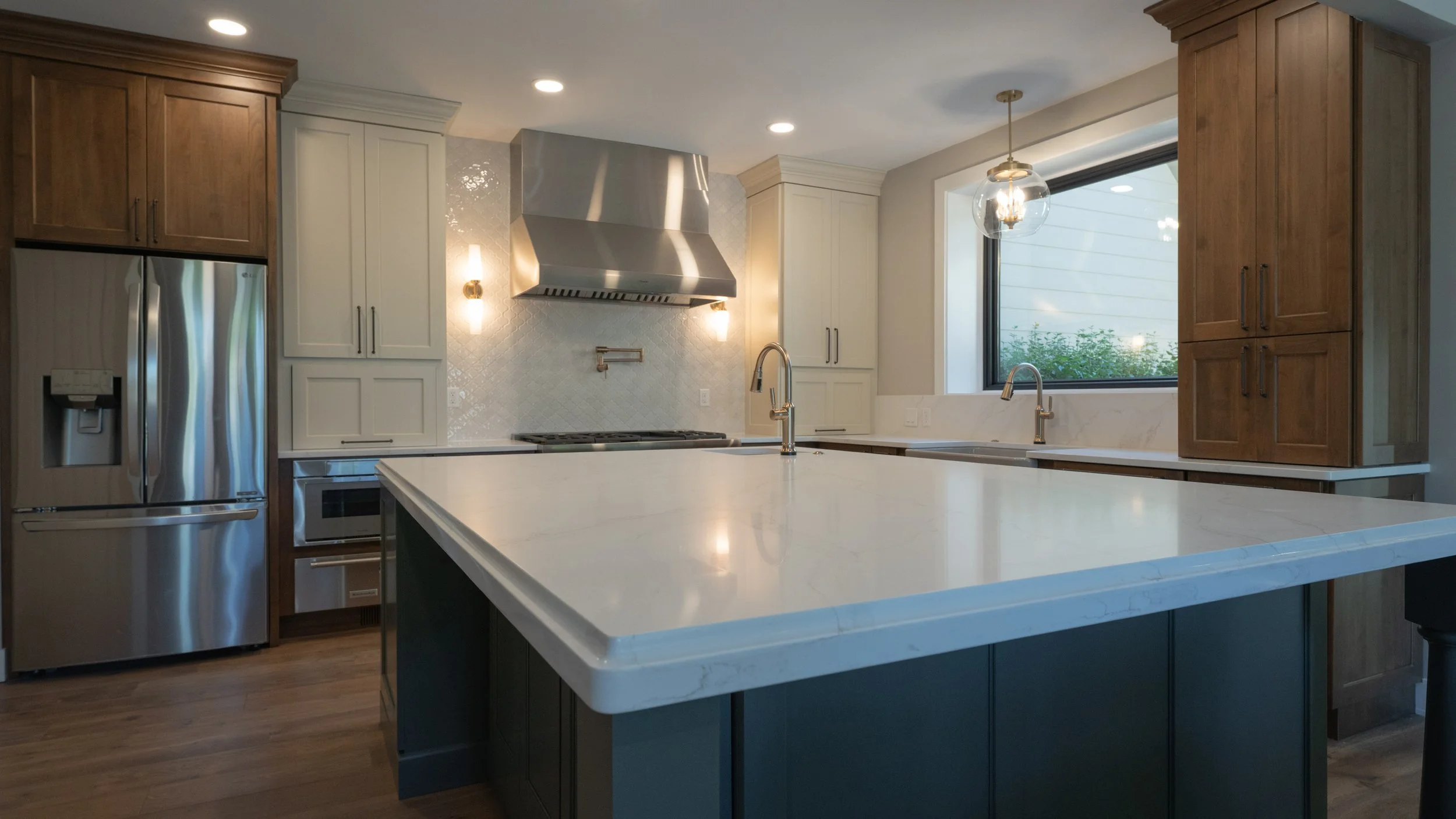
Finding The Right Countertop For You
Choosing a countertop sounds simple–until you start looking at the options. Quartz. Granite. Or even Quartzite. They can all create a beautiful, high-end, finish but they aren’t the same material, and each comes with its own advantages when it comes to durability, maintenance, appearance, and everyday use. So which one is right for your kitchen or bathroom? So which one is right for your kitchen or bathroom? The answer depends less on which material is “best” and more on how you use your space, how much maintenance you’re comfortable with, and what look you’re trying to achieve. Here’s what you should know before making your selection.
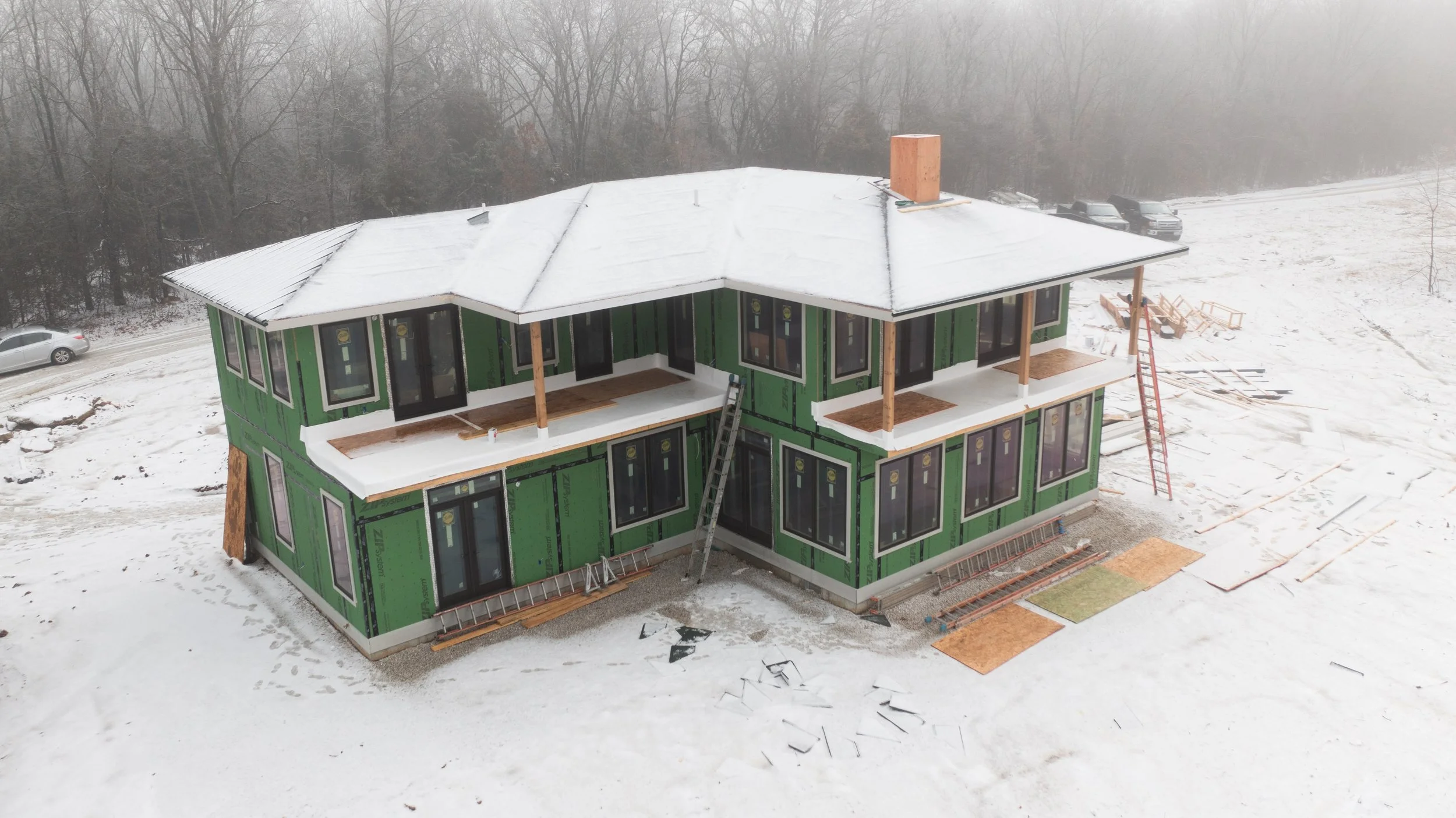
Home Upgrades You’ll Appreciate Most During Winter
When temperatures drop, the little things about your home start to matter a lot more. Cold floors first thing in the morning. A bathroom that never seems to warm up. Drafts near the windows. A mudroom overflowing with coats, boots, and wet gear. Winter has a way of revealing which parts of your home work well–and which ones could use some attention. Whether you’re considering a major remodel or looking for a few thoughtful improvements, here are some home upgrades you’ll appreciate most when winter arrives.
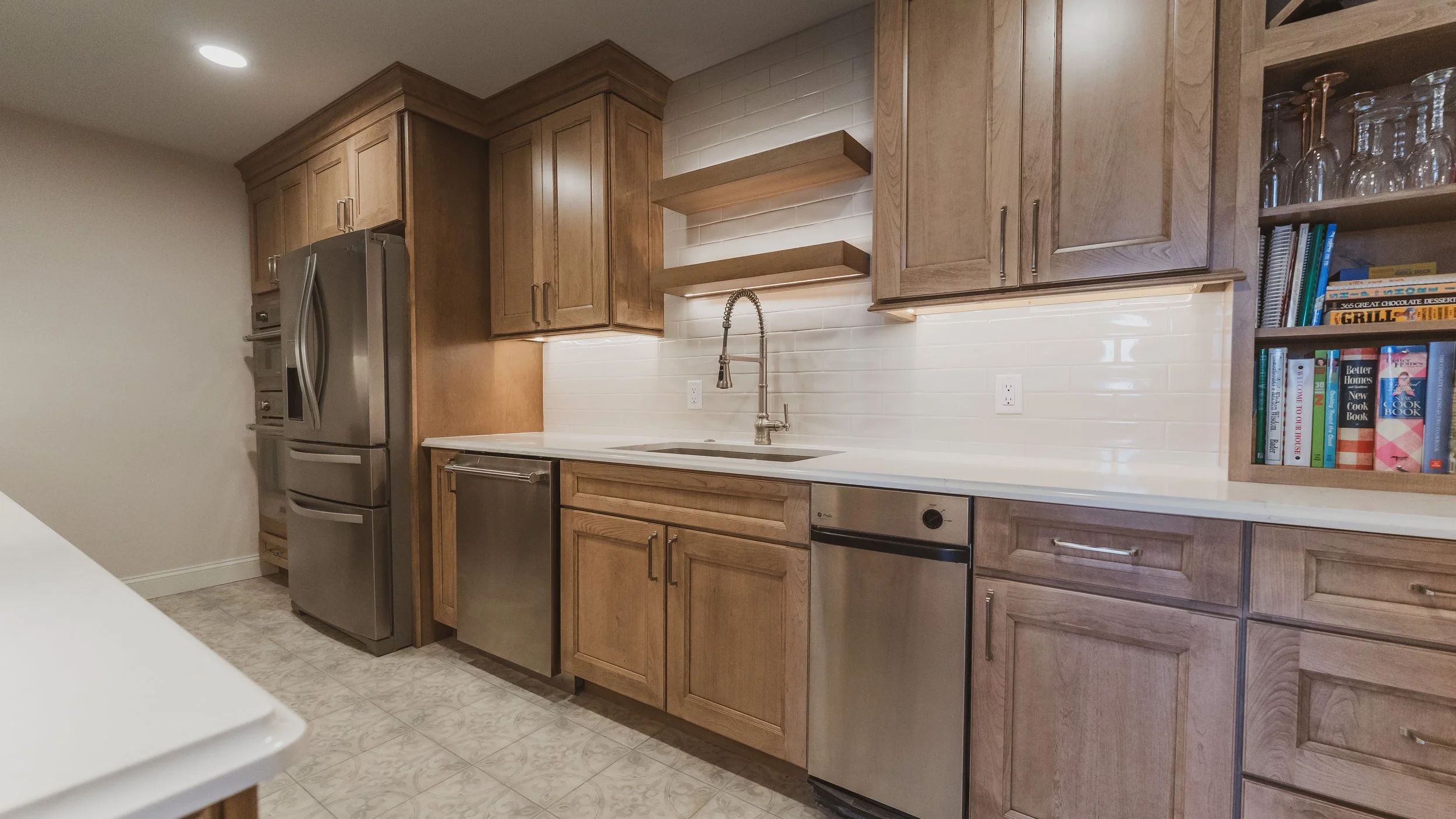
The Butler Pantry: Is It Worth It?
A butler pantry used to be a place where dishes were stored and meals were prepared out of sight. Today, it has become one of the most sought-after features in luxury home design and for good reason. Modern homeowners are looking for more than a beautiful kitchen. They want spaces that make entertaining easier, keep everyday clutter under control, and allow their main kitchen to remain functional even when life gets busy. That’s where the butler pantry–or working scullery–comes in. So what’s the difference between a traditional pantry and a fully equipped prep kitchen?
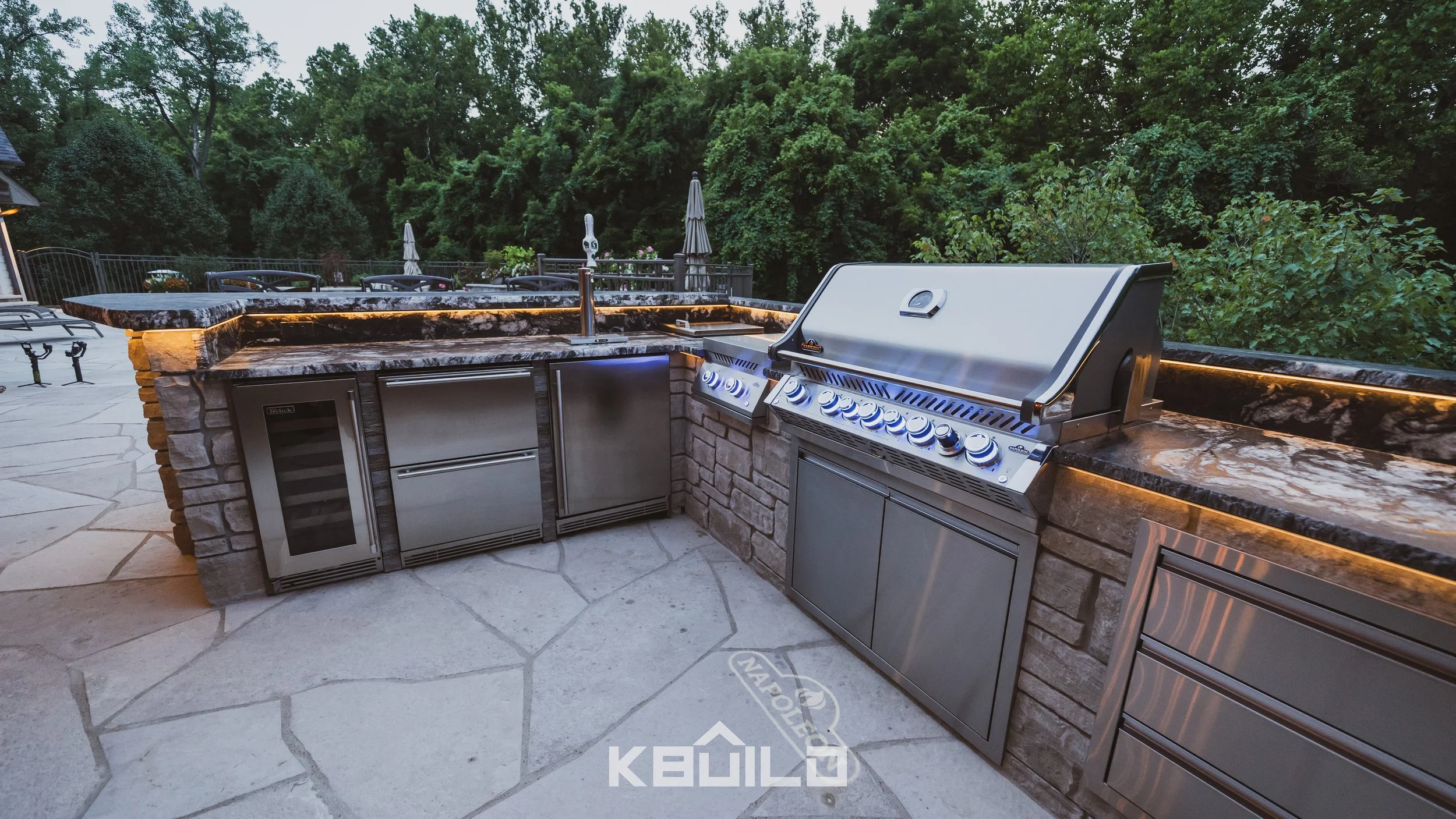
What Belongs in an Outdoor Kitchen
An outdoor kitchen can be as simple as a grill on a patio. Or it can become an extension of the way you live inside your home. For homeowners who love to entertain, spend time outside, or simply want to get more use out of their backyard, a thoughtfully designed outdoor kitchen can turn a basic patio into a true destination. It’s not necessarily about having the most appliances or the biggest space. It’s about creating an outdoor cooking and entertaining area that is designed around how you actually use it.
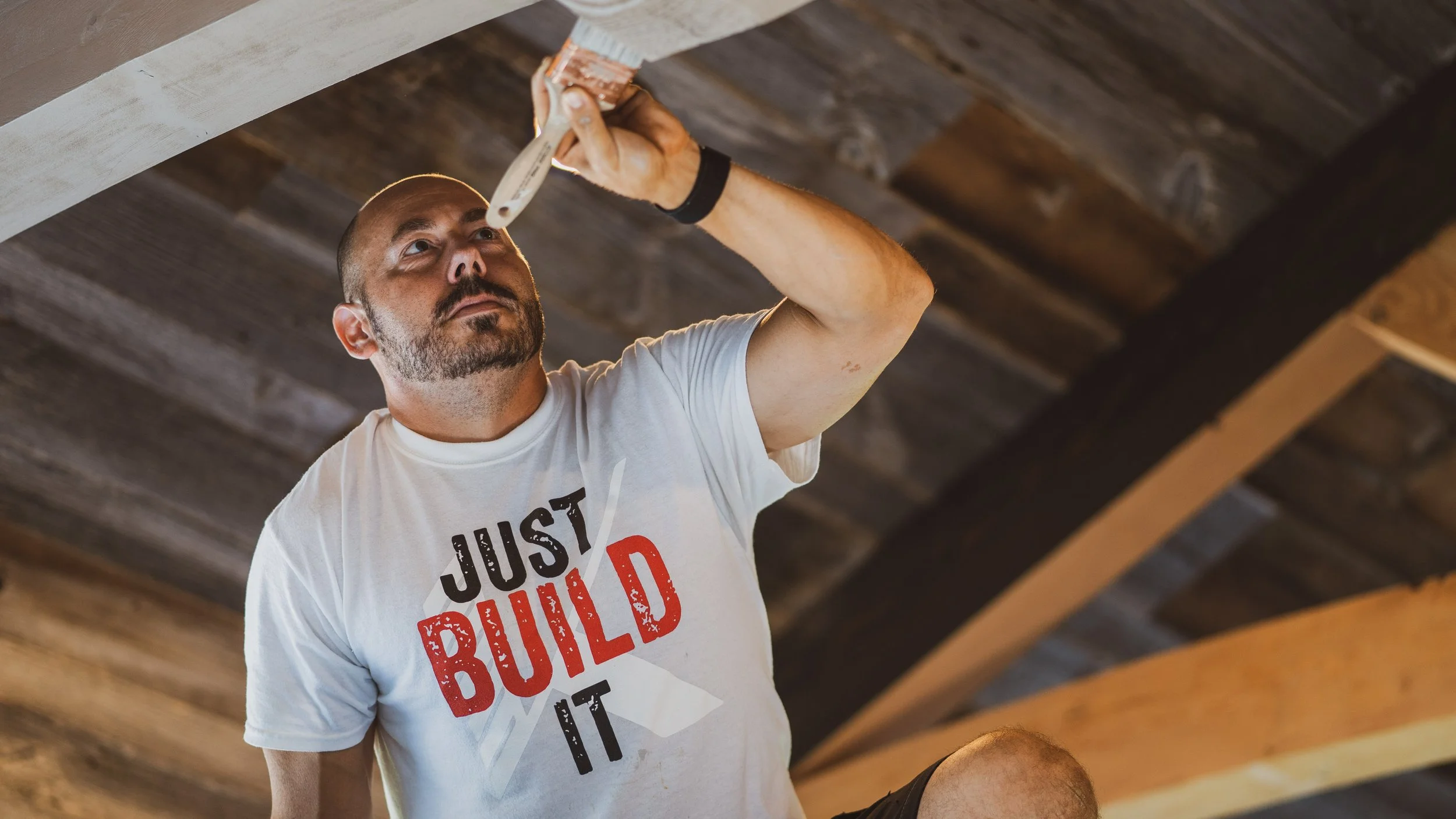
What Goes Into a Projects Last Steps
A home can be almost finished and still not feel finished. The cabinets are installed. The countertops are in, The flooring is down. At first glance everything looks complete. But then little details don’t line up. Some of these may not seem significant on their own. Together, they can change the way an entire room feels. That’s the importance of the final 10%
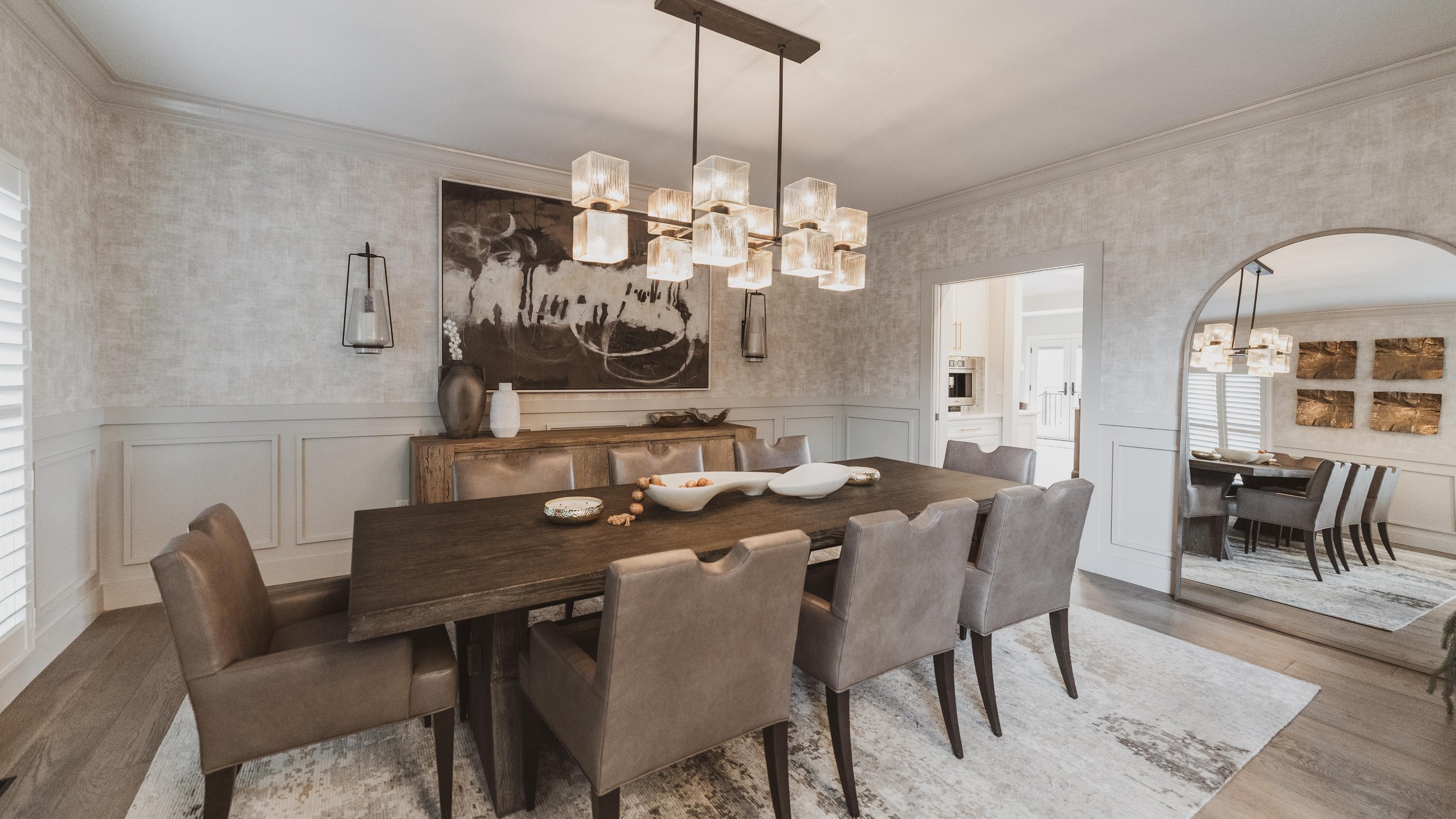
The Potential of a Dining Room
For years, the formal dining room was one of the defining spaces of a traditional home. It was the room reserved for holidays, dinner parties, and special occasions. The table was always set, the china was carefully stored, and the room often looked beautiful–but sat untouched for most of the year. Today, the way families live has changed. Your formal dining room might not be outdated. It might simply be underutilized. With the right design, a dining room can become one of the most versatile spaces in your home.
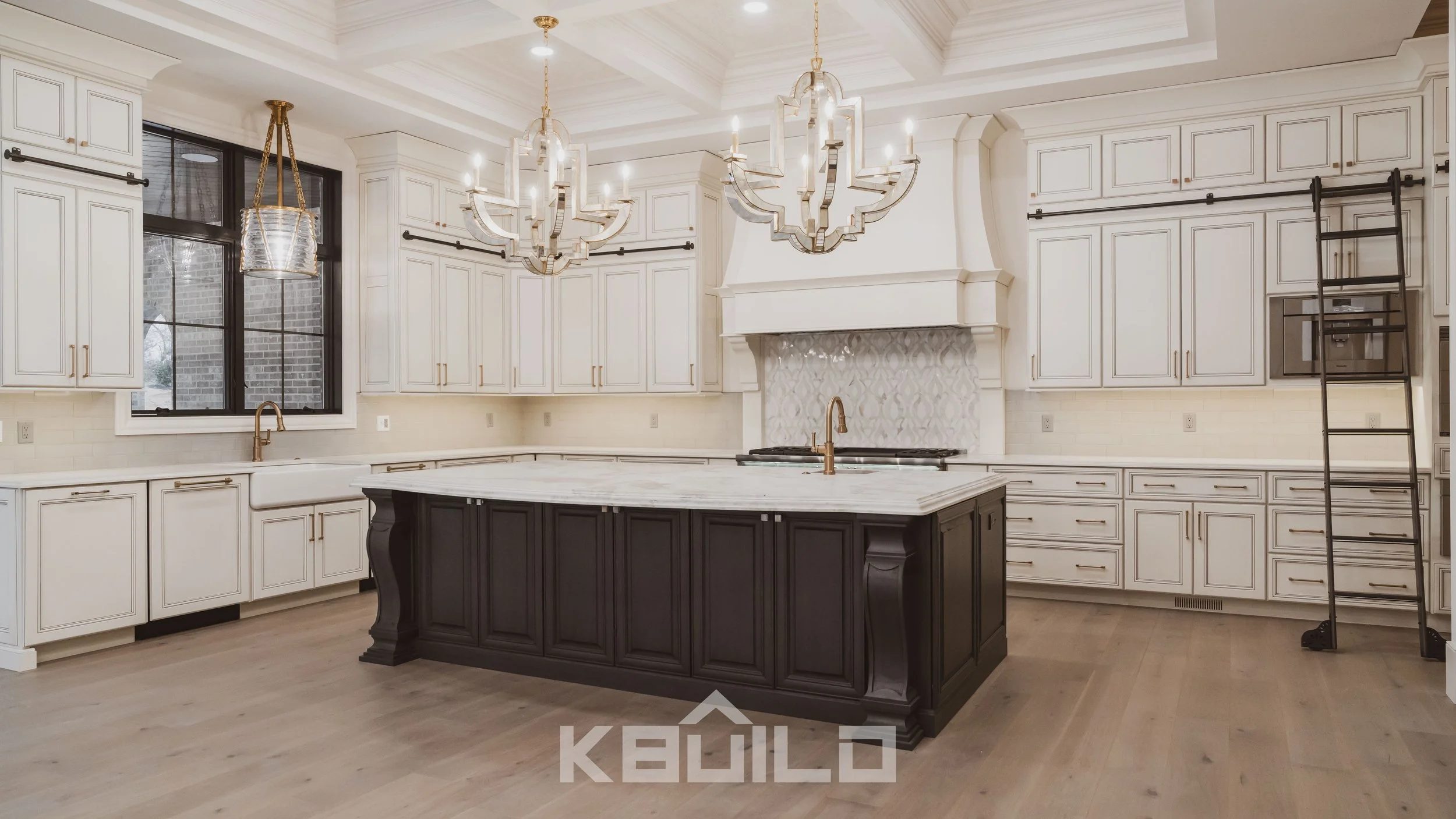
Why Every Room Needs a Focal Point
Walk into a beautifully designed room and something probably catches your eye almost immediately. Maybe it’s a dramatic fireplace. Maybe it’s a large kitchen island. Maybe it’s a wall of windows overlooking the backyard. Or perhaps it’s a striking light fixture hanging above the dining table. You might not consciously think about why your eyes went there first, but that reaction is rarely accidental. That’s where a focal point comes in. Without one, a room can sometimes feel flat, cluttered or directionless.
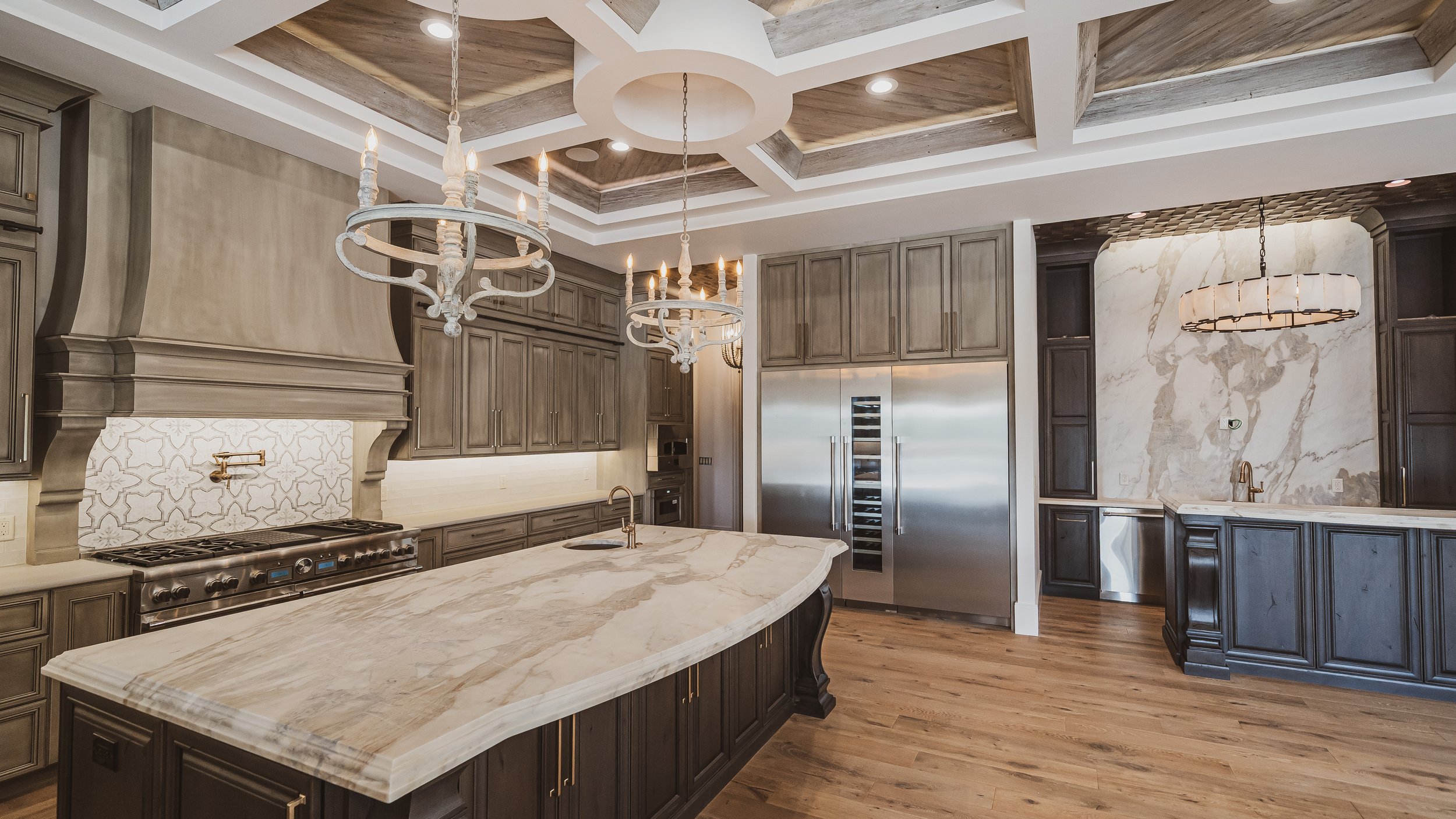
Built-In Features You Need In Your Home
When people think about a custom home, they often picture dramatic kitchens, luxurious bathrooms, or impressive architectural details. But some of the features that make a home feel truly custom are much more subtle: Built-ins. Unlike standard furniture, built-ins become part of the architecture of the home–and they can be designed around exactly how you live. Here are 10 built-ins features worth considering for your home.
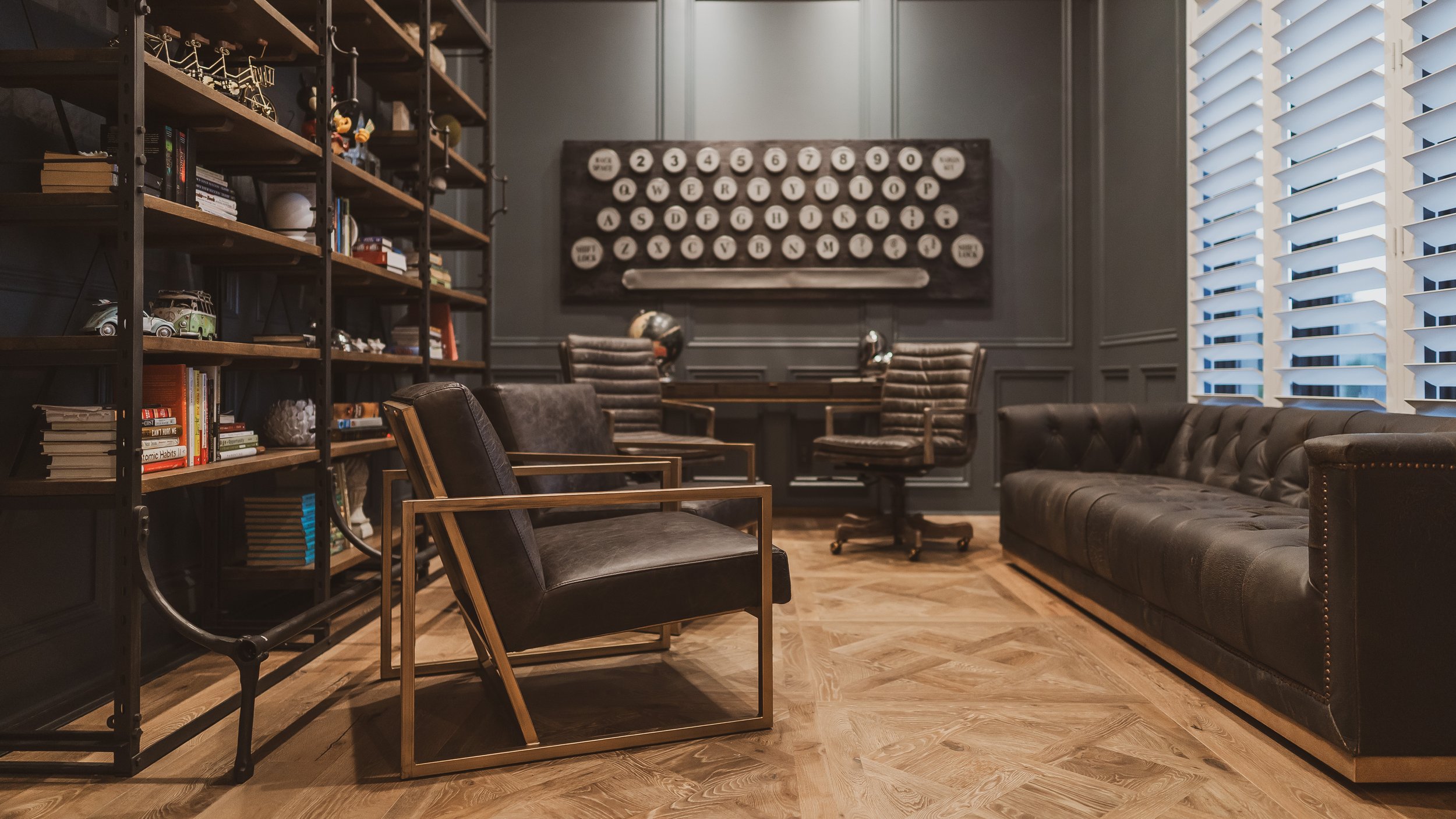
Home Office Features You Need
A home office used to be considered a luxury. Today, for many homeowners, it’s become an essential part of the house. Whether you work from home full-time, run a business, manage household responsibilities, or simply need a quiet place to focus, a well-designed office can make everyday life more comfortable and productive. But creating a great home office isn’t just about putting a desk in an empty room. The best offices are designed around the way you work.
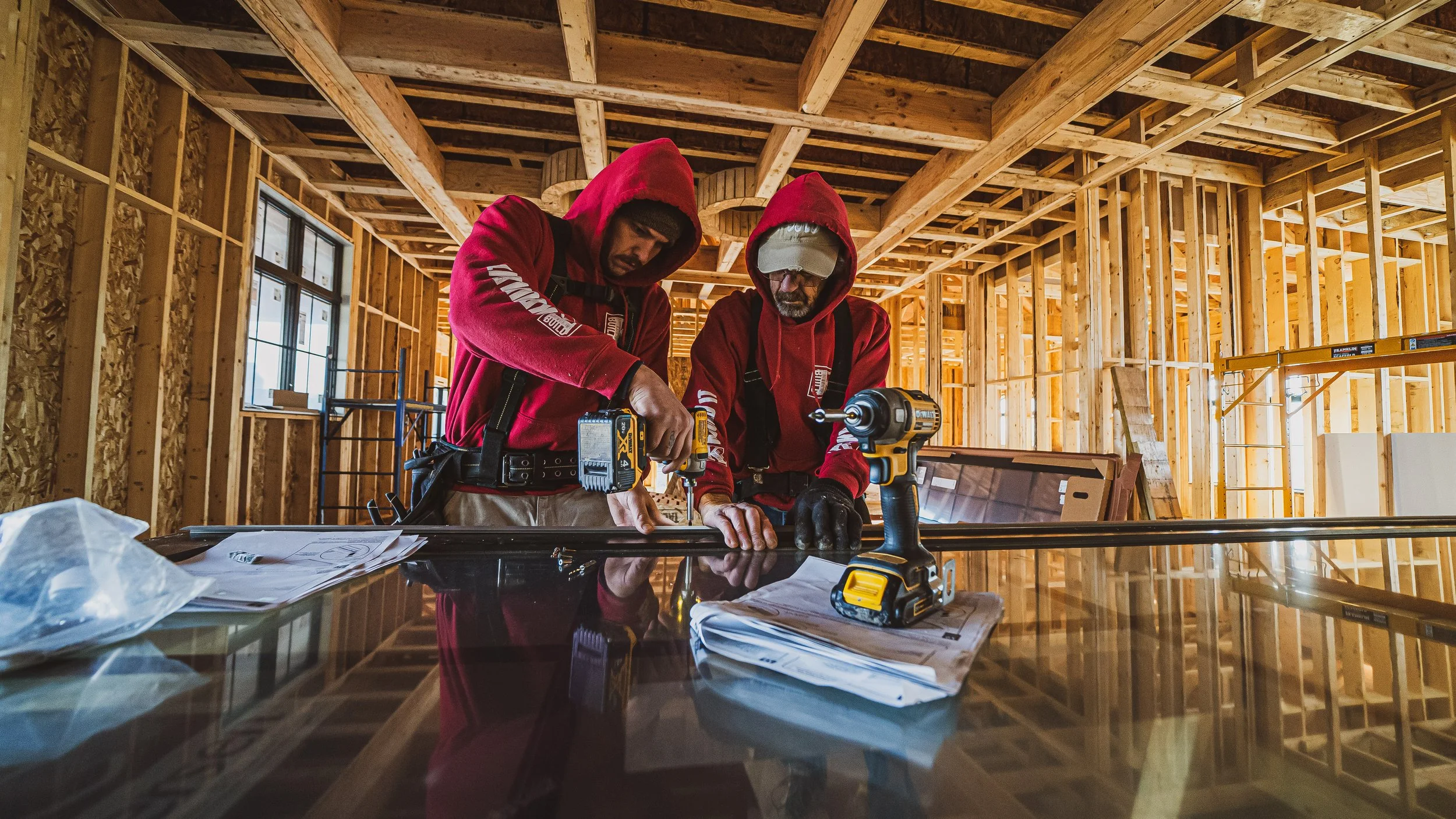
When Design And Construction Work Together
When you’re building or remodeling a home, it’s easy to think of design and construction as two separate steps. First, someone designs the space. Then, someone builds it. But the best projects aren’t always that simple. When the people designing a home and the people building it work together from the beginning, something different happens. The design isn’t created in a vacuum. It’s created with the actual construction process in mind.
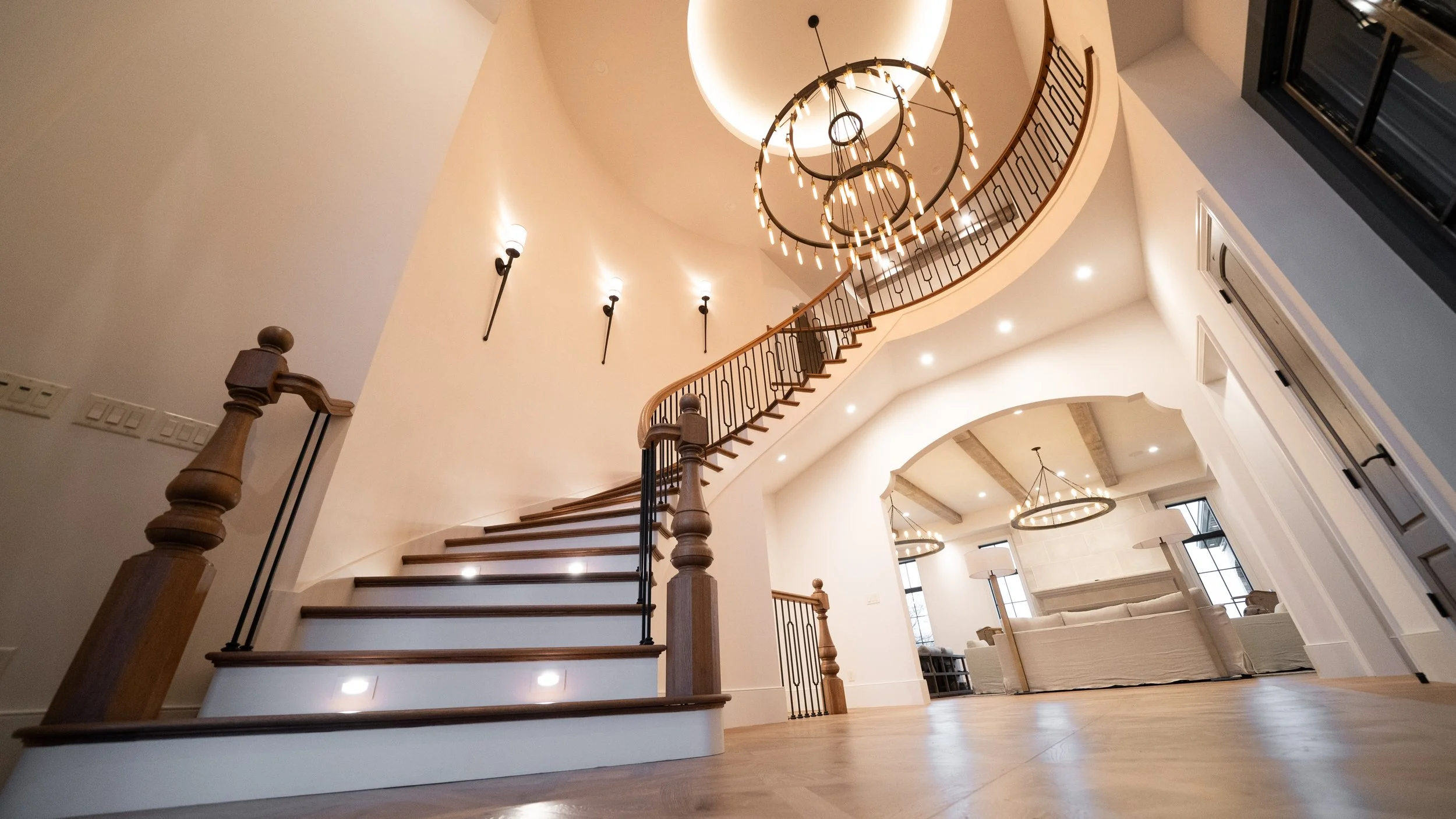
The Power Of First Impressions
Before guests admire your kitchen, notice your living room, or see the details of your craftsmanship, they experience something else first–your home’s entryway. Whether it’s a welcoming front porch, a beautifully crafted front door, or a thoughtfully designed foyer, the entryway sets the tone for everything that follows. It creates expectations, establishes the home’s personality, and gives visitors their very first feeling about the space. That makes it one of the most important–and often most overlooked–areas of the house.
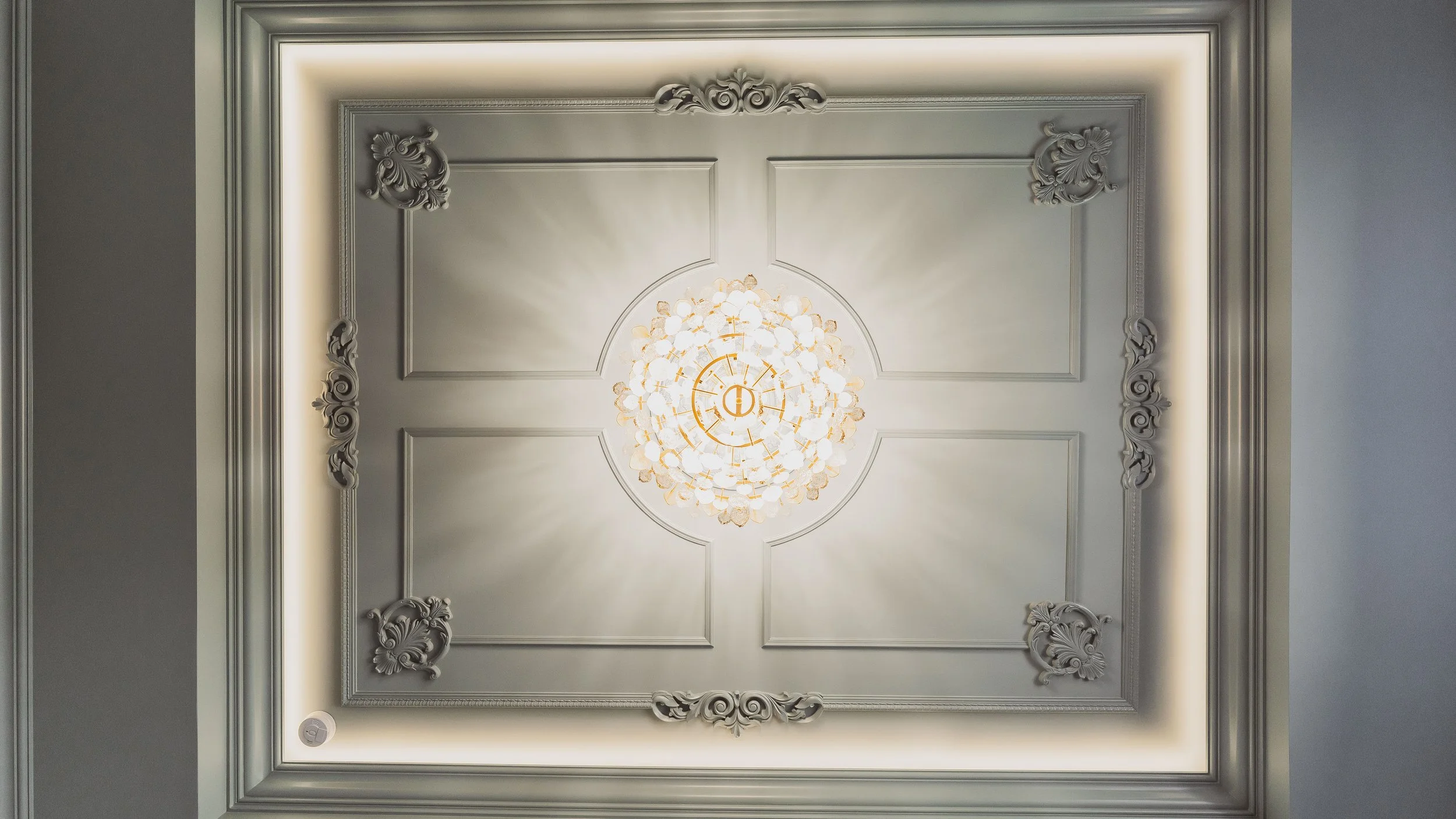
The Ceiling Is the Fifth Wall
When designing a room, most homeowners naturally focus on four walls. They think about paint colors, cabinetry, tile, countertops, furniture, and artwork. The floor gets attention, too, with decisions about hardwood, carpet, or tile. But there’s one surface that often gets overlooked entirely: The ceiling. A thoughtfully designed ceiling can add warmth, character, depth, and architectural interest to an otherwise ordinary space. And in many cases, it can be the detail that takes a beautiful room and makes it truly memorable.
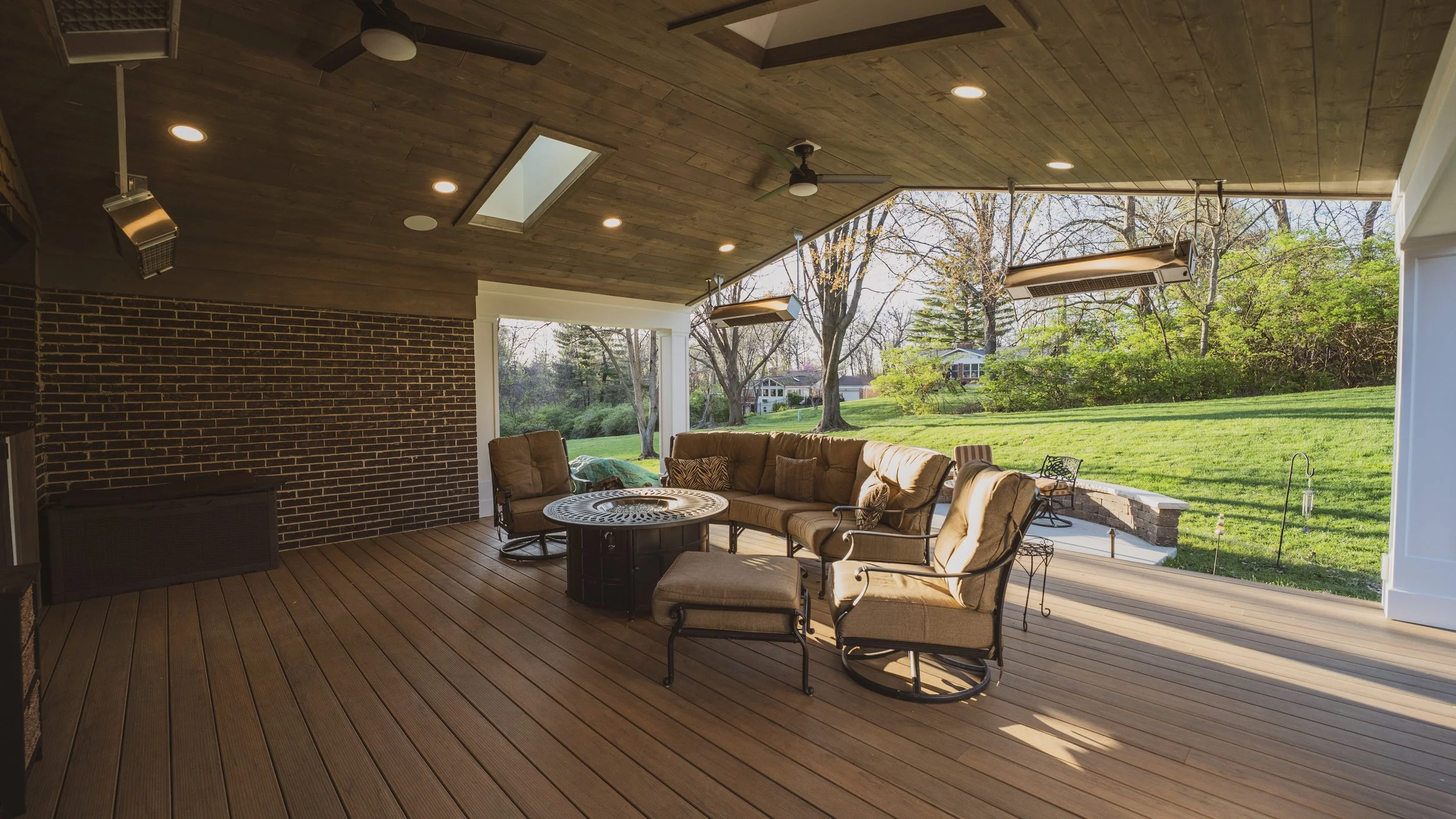
Making the Most Out Of Outdoor Living
There was a time when backyards served one primary purpose. They were simply open spaces–places where children played, pets ran freely, or homeowners mowed the lawn every weekend. Aside from the occasional barbecue or family gathering, many outdoor areas remained largely unused. Today that’s changing. Outdoor living has evolved from a luxury feature into an essential part of modern home design.
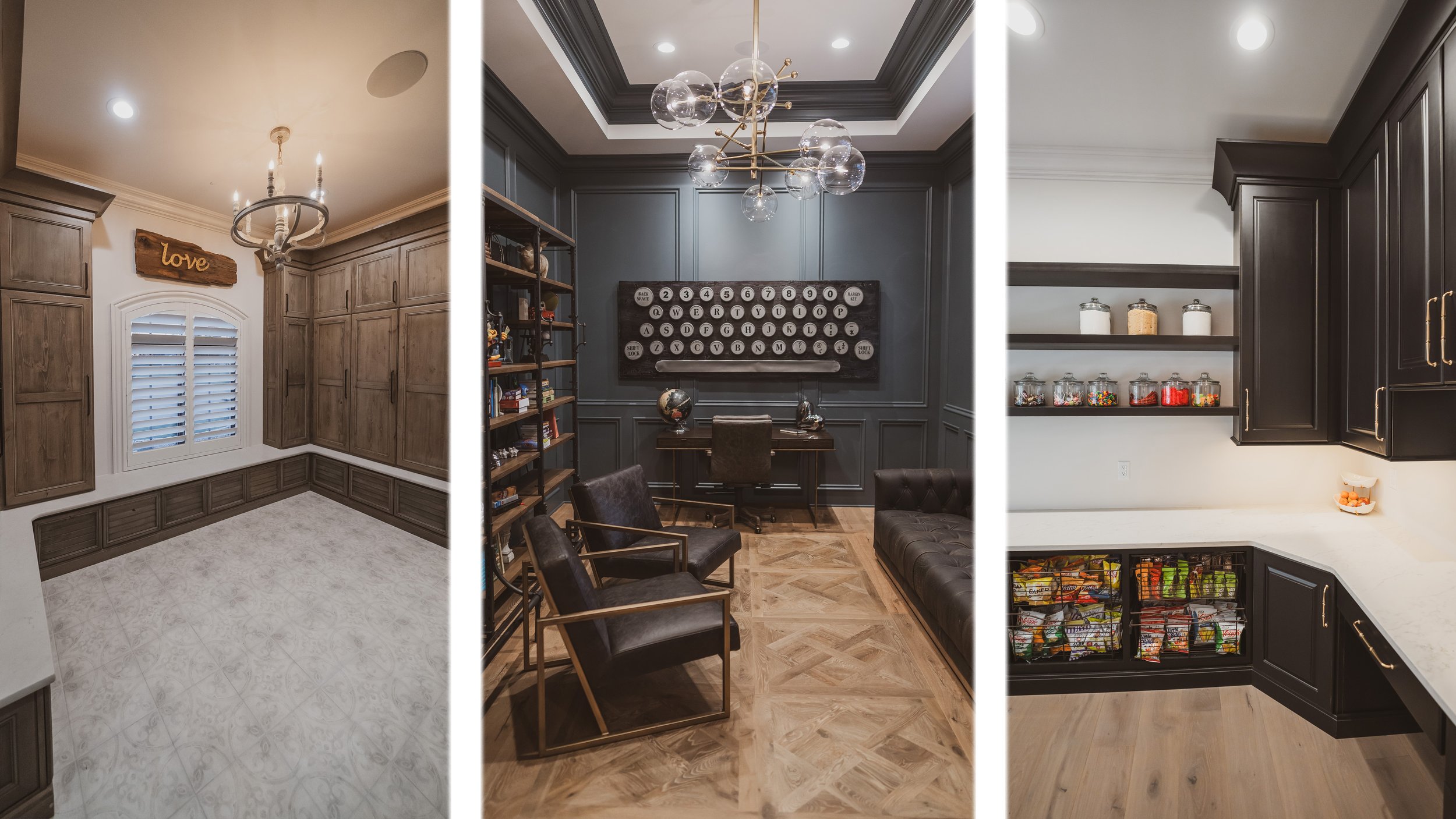
The Most Underrated Rooms In Your Home
When people think about important rooms in a home, the same spaces usually come to mind: The kitchen, the living room, the primary bedroom, the bathroom. These are the rooms that dominate magazine covers, social media feeds, and remodeling wish lists. They’re often the stars of home tours and the focus of renovation budgets. The truth is, some of the most valuable spaces in a home are also the most overlooked. They may not be the first rooms guests notice, but they have the biggest impact on how your home functions day after day.
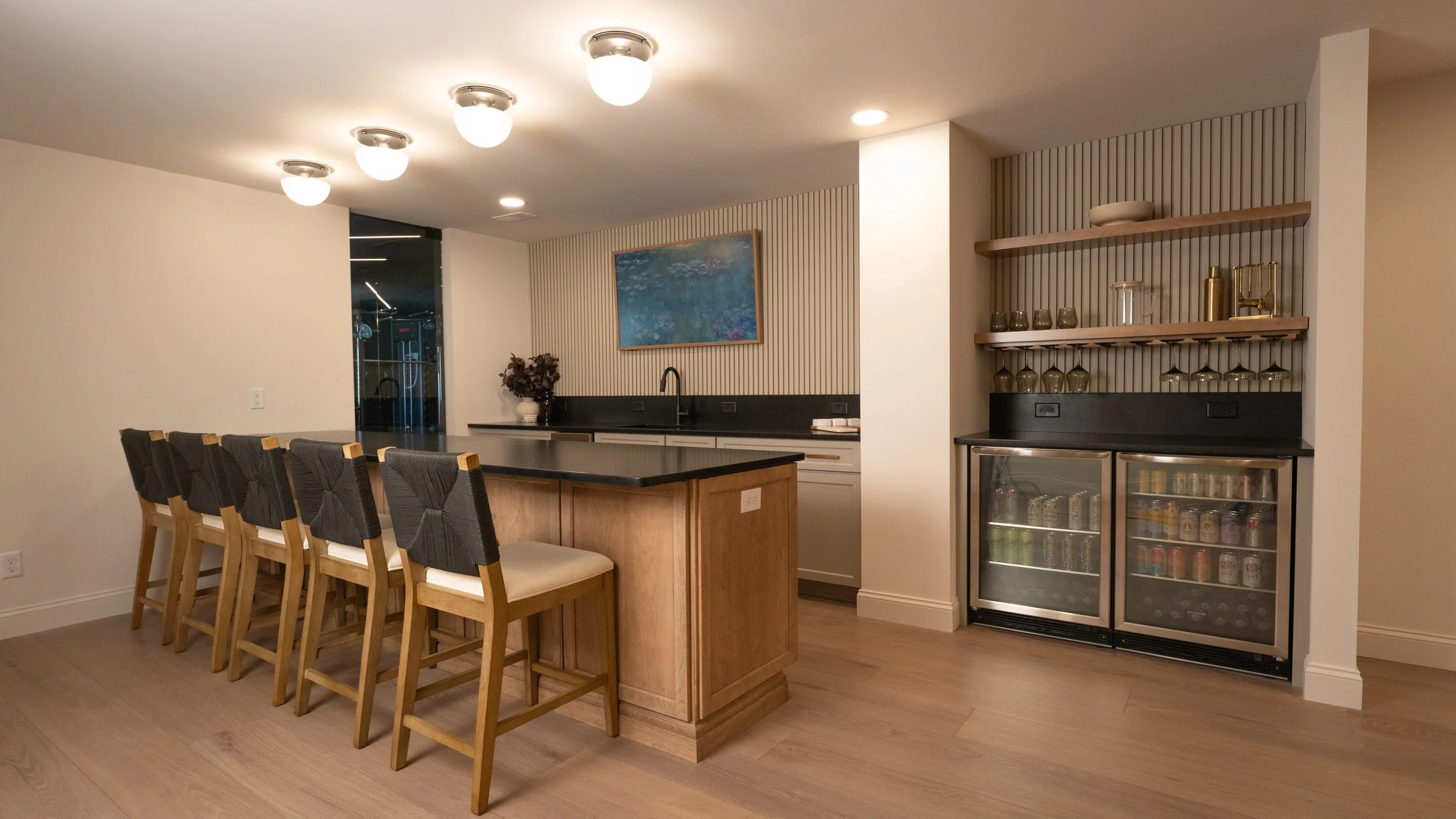
The Best Basement Features for Families
For many homeowners, the basement starts as little more than extra storage. But with thoughtful design, that same space can become one of the most valuable and well-loved areas in the entire home. Today’s finished basements aren’t just about adding square footage–they’re about creating a place where families can spend meaningful time together. If you’re finishing or remodeling your basement, here are some of the best features that help transform it into a space the whole family will enjoy.
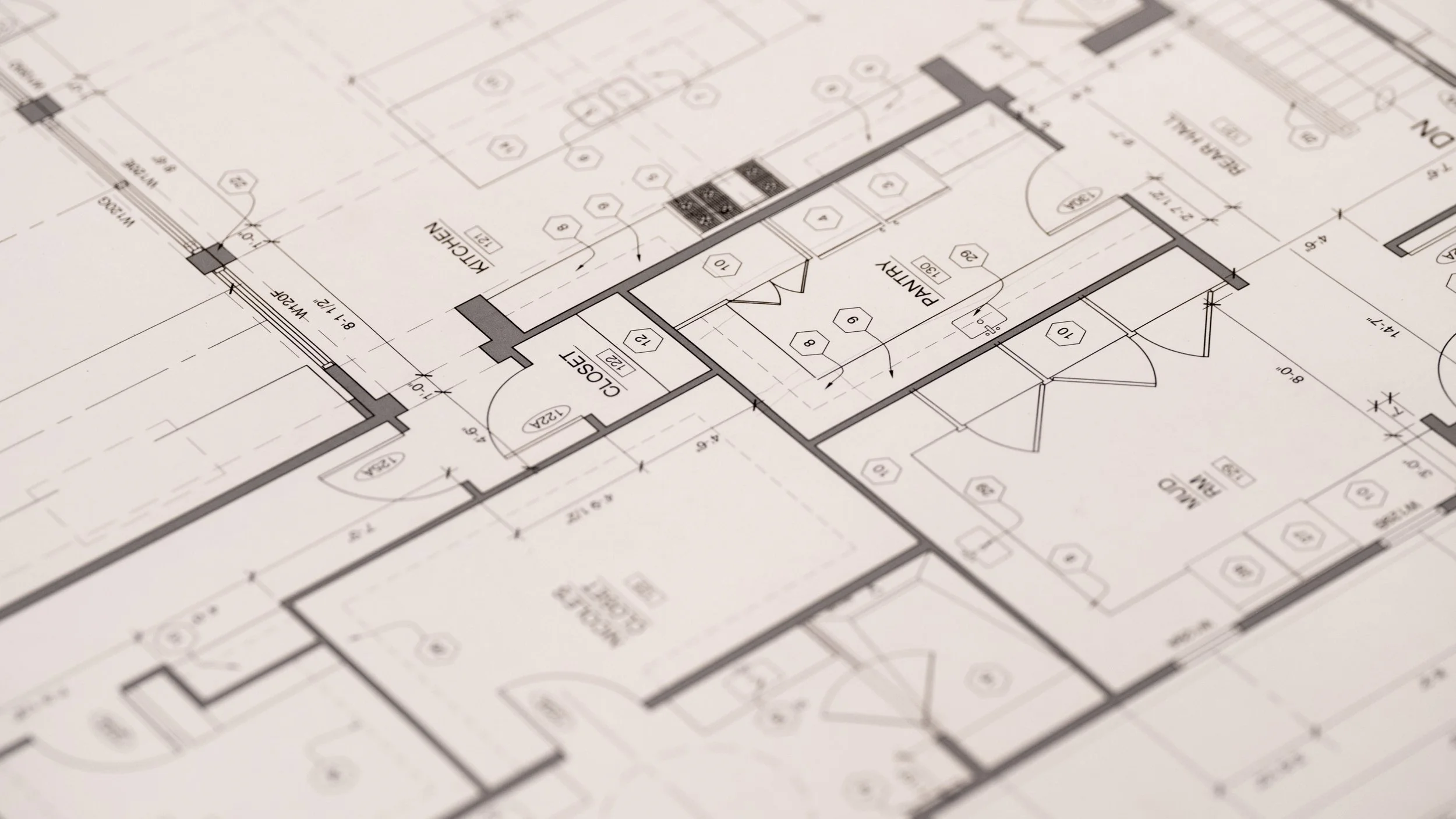
The Hidden Habits Your Home Design Creates
Most people think of home design in terms of appearance. They think about colors, finishes, furniture, countertops, lighting fixtures, and décor. While those elements certainly influence how a home looks, they only tell part of the story. The layout of a kitchen can influence eating habits. The location of a mudroom can affect organization. The placement of a couch can encourage conversation–or discourage it. Even the amount of natural light in a room can impact mood, energy, and productivity. Your home isn’t just a backdrop of daily life, it influences it.
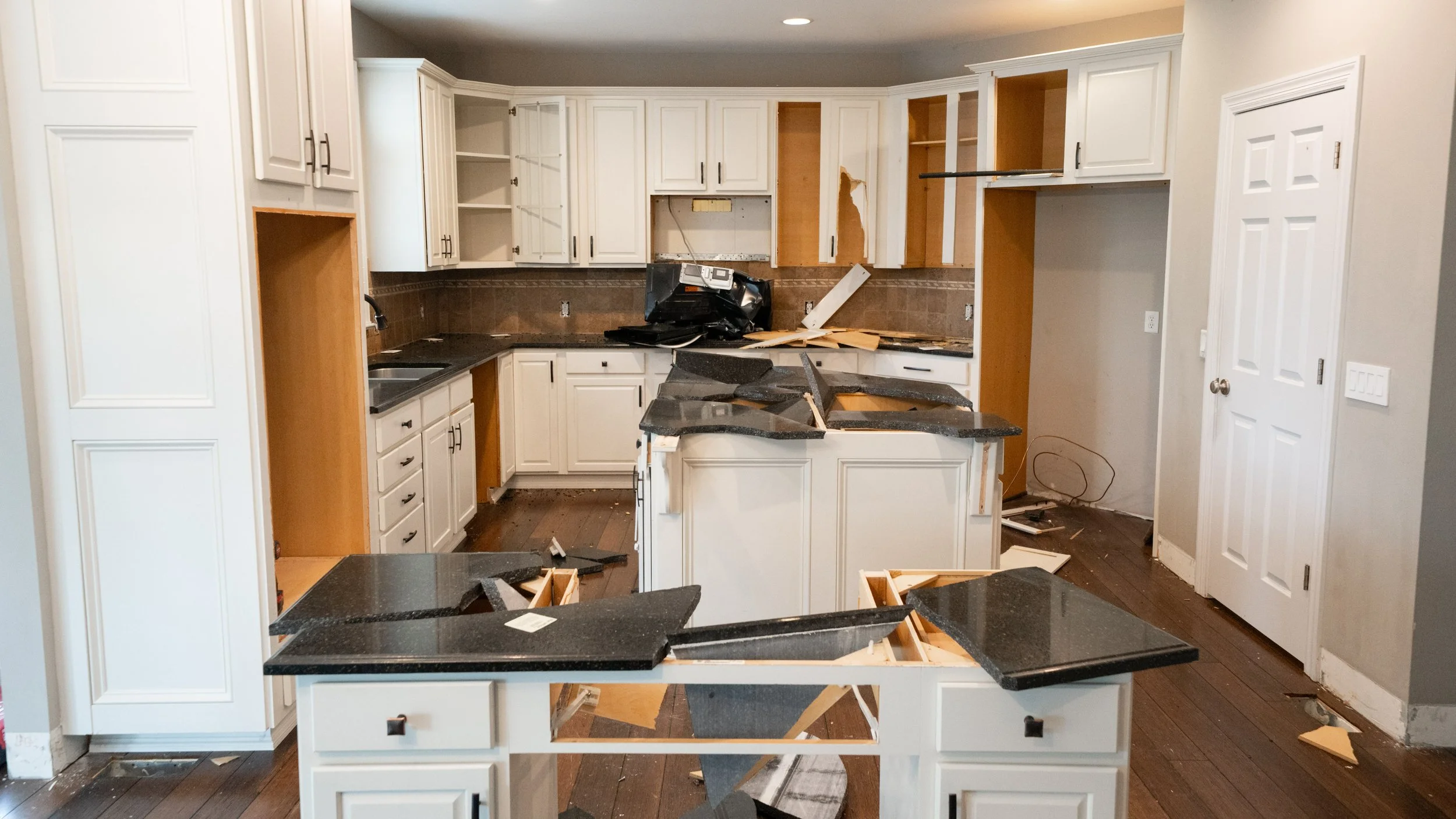
The Real Cost of Cheap Materials
When homeowners begin planning a remodel or custom build, one of the biggest temptations is trying to cut costs through materials. At first glance, the cheaper option can seem almost identical to the premium one. The color may even look similar. The finish may be photographed well online. The price difference might even feel difficult to justify in the moment.
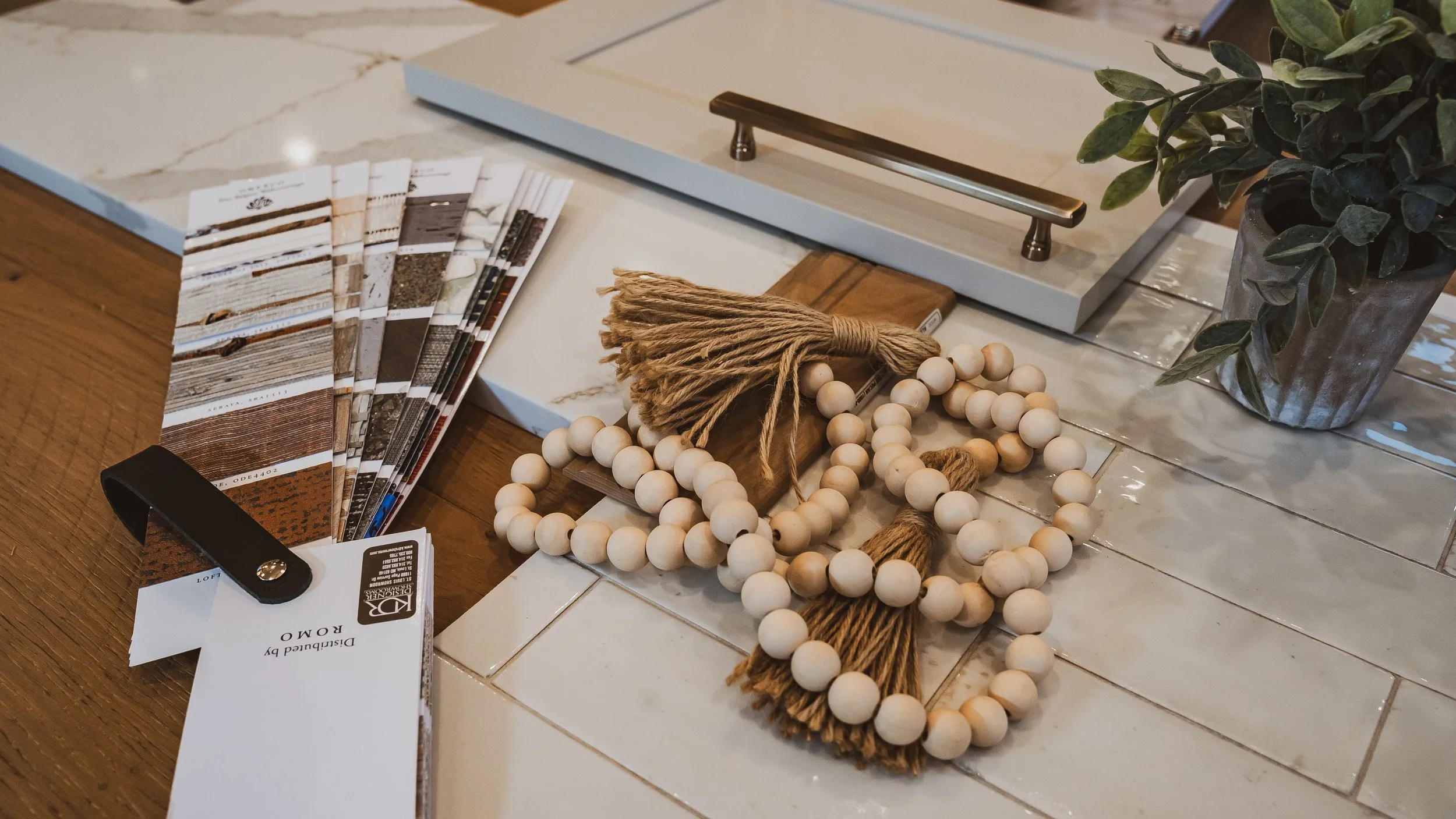
The Difference Between Open Concept & Open Flow
For years, “open concept” has been one of the most popular phrases in home design. Homeowners wanted walls removed. Kitchens opened up. Larger gathering spaces. Better sightlines. More natural light. And for a long time, open concepts became the gold standard of modern living. Recently, designers and homeowners have started shifting the conversation. Instead of simply asking for an open-concept home, they’re asking for something slightly different.