Most Overdesigned Spaces In Homes: How to Fix Them
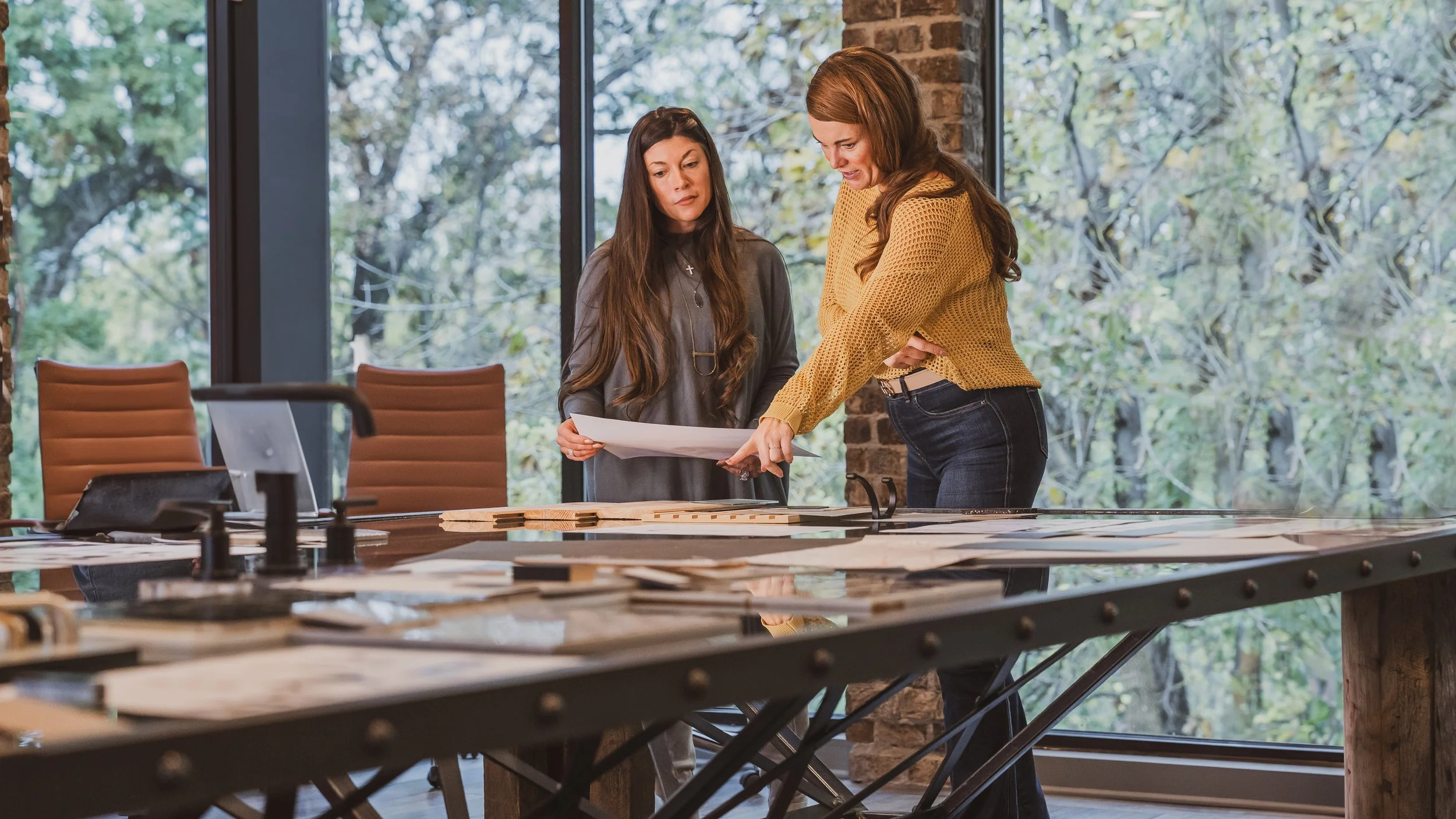
Overdesign doesn’t usually come from bad taste. It comes from good intentions taken too far. Homeowners want spaces to feel special, polished, and complete–but when every surface, feature, and detail is trying to make a statement, the result can feel overwhelming instead of elevated. Luxury isn’t about how much you add. It’s about knowing when to stop. Some areas of the home are especially prone to overdesign. Here’s where it happens most often–and how to bring those spaces back into balance.
Kitchens: When Every Feature Competes
Kitchens are one of the most commonly overdesigned spaces in a home. Between statement backsplashes, bold cabinetry, oversized island, dramatic lighting, and multiple material changes, kitchens can quickly become visually exhausting. The issue isn’t any single feature–it’s that too many elements are trying to be the focal point at once. The solution is hierarchy. Choose one primary visual anchor—whether that’s cabinetry, an island, or a feature wall—and let everything else support it. Limit the number of materials, simplify the color palette, and prioritize function over novelty.
Bathrooms: Turning Relaxation into a Showpiece
Bathrooms often fall into the trap of trying to look like a showroom instead of a place for daily routines. Excessive tile patterns, multiple finishes, oversized tubs, and statement fixtures can turn what should be a calming space into one that feels busy and impractical. Refocus the design around comfort and flow. Use fewer materials, keep transitions simple, and let negative space do some of the work. Instead of filling every wall, allow moments of visual rest.
Living Rooms: Too Many Focal Points
Living rooms are meant to be gathering spaces, but overdesign often makes them feel staged instead of inviting. Multiple accent walls, bold ceiling details, oversized fireplaces, and excessive dècor can compete for attention, leaving the room without a clear purpose. Decide what the room is really about. Is it conversation? Comfort? Entertaining? Once that’s clear, simplify everything that doesn’t support that goal. Reduce visual noise, streamline architectural details, and let furniture placement do more of the work.
Entryways: Overstating the First Impression
Entryways are another common offender. In an effort to make a strong first impression, homeowners often over-layer finishes, lighting, millwork, and dècor. Instead of feeling welcoming, the space can feel forced or overly formal. Focus on clarity rather than impact. A great entryway clearly communicates where to go and how to move through the home. One strong design element—paired with thoughtful lighting and proportion—creates confidence without excess.
Outdoor Spaces: Designing for Photos Instead of Use
Outdoor areas are often overdesigned with the idea of entertaining in mind, but end up underused. Multiple zones, oversized kitchens, elaborate finishes, and excessive furniture can make the space feel cluttered and hard to enjoy. Design outdoor spaces the same way you design interiors: around how they’ll actually be used. Fewer zones, more flexibility, and durable materials create a space that feels inviting instead of intimidating.
The most refined homes aren’t the ones with the most features–they’re the ones where every element feels intentional. Stay tuned as we here at KBUILD can’t wait to show you what comes next. If you’re interested in your own project, reach out to us at 636-362-2015, send us an email at kbuild@kbuildit.com, or click the link to go straight to our project inquiry form. We will respond promptly and help you follow through with the next steps to start on your custom project today!