Soundproofing Your Basement
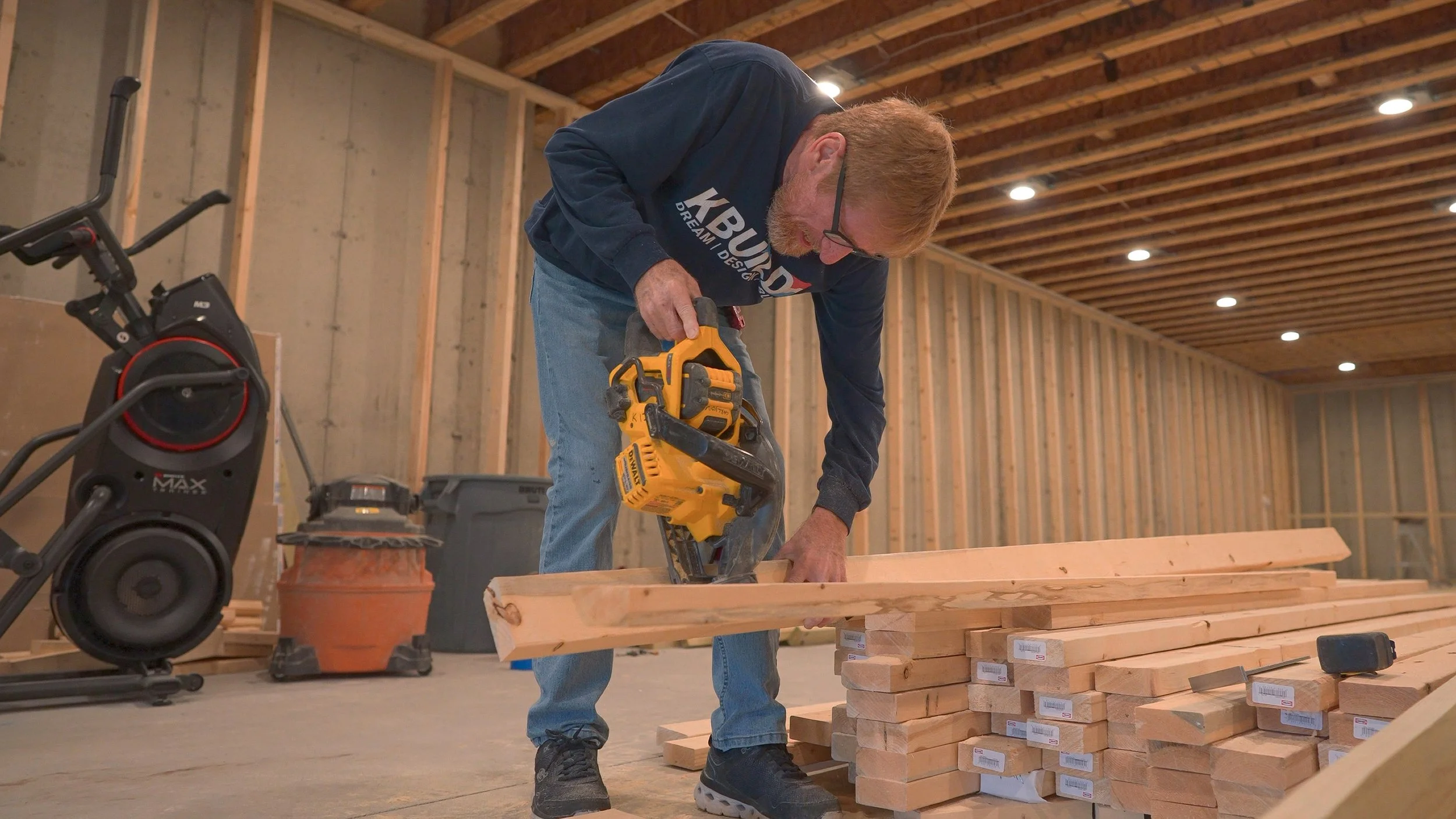
Basements are one of the most versatile spaces in a home. They can become home theaters, gym, bars, or other entertainment areas. But without proper soundproofing, noise from the basement can easily travel throughout your home and too much noise from upstairs can disrupt the experience. Whether you’re planning a basement renovation or finishing a lower level, incorporating soundproofing during construction can dramatically improve comfort and usability.
Insulate Basement Ceiling Cavities
One of the simplest and most effective ways to reduce sound is installing insulation between floor joists.
Common insulation options include:
Fiberglass batt insulation
Affordable and widely available
Reduces airborne noise effectively
Mineral wool insulation
Higher density for better sound absorption
Also fire-resistant and moisture resistant
Mineral wool is often preferred for sound control because its density helps absorb more vibration.
Install Resilient Channel or Isolation Clips
Sound often travels directly through framing. Resilient channels and isolation clips help decouple drywalls from the framing, which reduces vibration transfer. These systems create a small gap between drywall and joists, preventing sound waves from directly into the structure above.
This method is commonly used in:
Home theaters
Recording studios
Media rooms
It’s one of the most effective structural soundproofing solutions
Use Double Drywall with Soundproofing Compound
Adding mass to walls and ceilings significantly reduces sound transmission. A popular method is installing two layers of drywall with a sound-dampening compound between them. The compound absorbs vibration and prevents sound waves from traveling through the material.
Benefits include:
Dramatic sound reduction
Minimal change to overall room dimensions
Improved acoustic performance
This is often called the “double drywall system”
Seal All Gaps and Penetrations
Even small openings can allow sound to travel easily. Sealing these areas is a crucial but often overlooked step.
Common areas to seal include:
Electrical outlets
Lighting cutouts
HVAC duct openings
Plumbing penetrations
Gaps around drywall edges
Acoustics sealant is specifically designed to block transmission while remaining flexible over time.
Upgrade Basements Doors
Hollow-core interior doors allow sound to pass through very easily. Replacing them with solid-core doors can make a significant difference in noise reduction.
For even better results, consider:
Door sweeps
Weather stripping
Acoustic door seals
These upgrades help prevent sound from escaping the room.
Consider Acoustic Treatments for Interior Sound Quality
Soundproofing stops sound from leaving a room, while acoustic treatments improve how sound behaves inside the room.
These treatments help reduce echo and improve audio quality.
Examples include:
Acoustic wall panels
Fabric wall treatments
Carpeting or large area rugs
Heavy curtains
Acoustic ceiling tiles
These features are especially valuable in home theaters or music rooms.
Choose Flooring That Absorbs Impact
If your basement will include active spaces like a gym or playroom, flooring can help absorb sound.
Good sound-reducing flooring options include:
Rubber gym flooring
Carpet with thick underlayment
Cork flooring
Acoustic vinyl underlayment beneath hard surfaces
These materials help reduce vibration from movement and equipment.
Soundproofing a basement isn’t just about comfort – it’s about creating a space that truly works for your lifestyle. The right soundproofing techniques can dramatically reduce noise and improve overall experience. Stay tuned as we here at KBUILD can’t wait to show you what comes next. If you’re interested in your own project, reach out to us at 636-362-2015, send us an email at kbuild@kbuildit.com, or click the link to go straight to our project inquiry form. We will respond promptly and help you follow through with the next steps to start on your custom project today!