The Ceiling Is the Fifth Wall
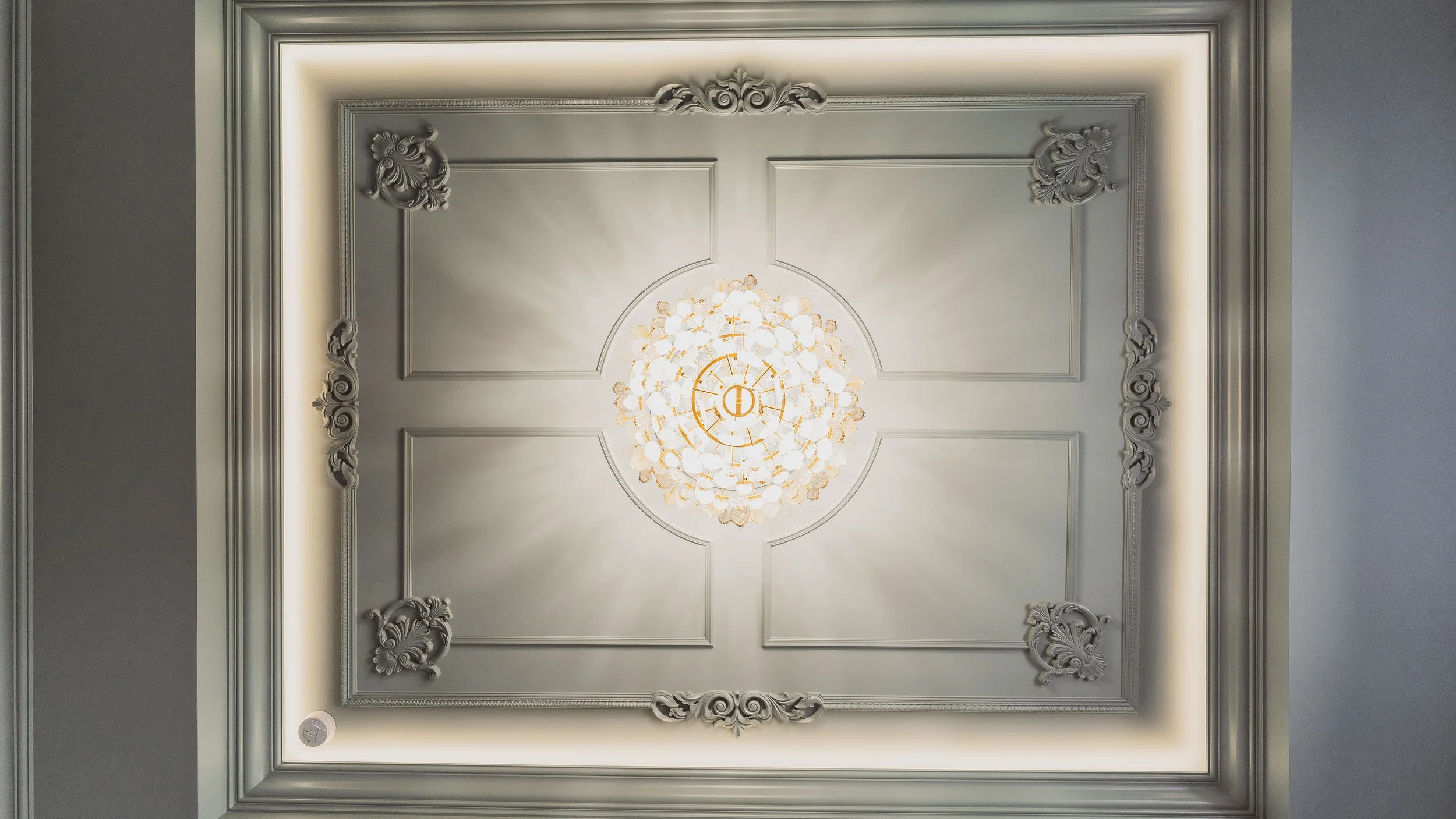
When designing a room, most homeowners naturally focus on four walls. They think about paint colors, cabinetry, tile, countertops, furniture, and artwork. The floor gets attention, too, with decisions about hardwood, carpet, or tile. But there’s one surface that often gets overlooked entirely: The ceiling. A thoughtfully designed ceiling can add warmth, character, depth, and architectural interest to an otherwise ordinary space. And in many cases, it can be the detail that takes a beautiful room and makes it truly memorable.
Why Ceilings Matter More Than You Think
Look around your home. How often do you actually look up? Probably not very often. That’s part of the reason ceilings are so easy to overlook. They’re always there, but rarely the first thing we think about when designing a space. Yet the ceiling influences how we experience a room. It can make a space feel:
Larger or more intimate
Taller or more grounded
Formal or casual
Traditional or modern
Warm or dramatic
Two rooms with identical flooring, walls, and furniture can feel completely different simply because of what happens overhead.
Coffered Ceilings Add Architectural Detail
Coffered ceilings are one of the most recognizable ways to add character overhead. A coffered ceiling uses a series of recessed panels or beams to create a structured, geometric pattern. They’re especially effective in:
Dining rooms
Great rooms
Offices
Libraries
Primary bedrooms
The design adds depth and dimension while creating a sense of craftsmanship. Depending on the materials and proportions, a coffered ceiling can feel traditional and elegant or clean and contemporary.
Beams Bring Warmth and Character
Exposed beams have become increasingly popular in both traditional and modern homes. Wood beams can introduce warmth into spaces that might otherwise feel too polished or sterile. They work particularly well in:
Great rooms
Kitchens
Dining areas
Covered patios
Vaulted ceilings
Beams can also help visually define different areas within an open-concept space. For example, a beam detail might subtly distinguish the kitchen from the living room without requiring a wall.
Tray Ceiling Create Depth
Tray ceilings are another way to add architectural interest without overwhelming a room. A tray ceiling typically features a recessed center section that creates the appearance of an elevated or layered ceiling. This design works especially well in:
Primary bedrooms
Dining rooms
Entryways
Living rooms
Lighting can take the effect even further. LED strip lighting tucked into the recessed area can create a soft glow that emphasizes the architecture without making the lighting itself the focal point.
Vaulted Ceilings Create a Sense of Scale
Few architectural elements can change the feeling of a room as dramatically as a vaulted ceiling. By increasing the vertical volume of a space, vaulted ceilings can make rooms feel:
Larger
More open
More dramatic
More connected to the outdoors
They’re particularly effective when paired with large windows or expansive glass doors. The combination of height and natural light can create an incredible sense of openness. With the right materials and lighting, they can also create warmth and intimacy.
Paint Can Transform a Ceiling
Ceiling design doesn’t always require expensive architectural construction. Sometimes, color alone can make a significant impact. A painted ceiling can:
Add contrast
Create warmth
Highlight architectural details
Make a room feel more intimate
While white ceilings remain popular, homeowners are increasingly experimenting with:
Warm neutrals
Soft earth tones
Deep, dramatic colors
Natural wood tones
The key is understanding how the ceiling color works with the rest of the room.
The ceiling may be the most overlooked surface in a home, but it has enormous potential. From coffered ceilings and exposed beams to vaulted spaces, wood details, and architectural lighting, there are countless ways to transform the fifth wall into a defining feature. Stay tuned as we here at KBUILD can’t wait to show you what comes next. If you’re interested in your own project, reach out to us at 636-362-2015, send us an email at kbuild@kbuildit.com, or click the link to go straight to our project inquiry form. We will respond promptly and help you follow through with the next steps to start on your custom project today!