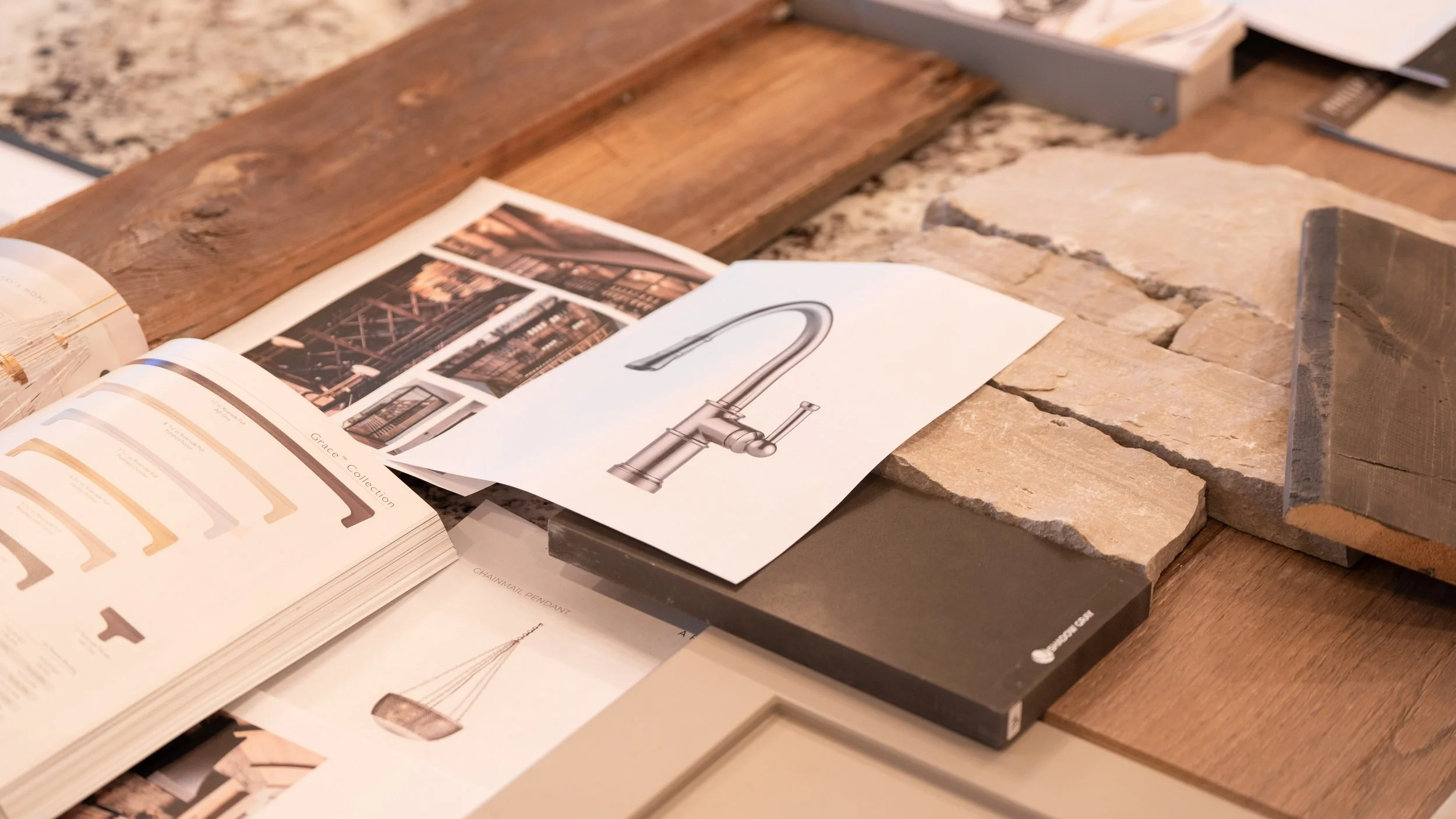
When something in your home breaks, wears down, or starts showing its age, the first instinct is often to repair it. In many situations, that's the right decision. A simple fix can extend the life of a feature and save you from taking on a larger project. However, there comes a point when continuing to repair something may cost more time, money, and frustration than replacing it altogether. Here are several areas worth evaluating when deciding whether a repair or full replacement makes more sense.
Kitchen Cabinets
Cabinetry is one of the most frequently used features in a kitchen. Over time, doors can become damaged, finishes can wear down, and drawers or hinges may stop functioning properly. If the cabinet boxes are structurally sound and you simply want a refreshed appearance, replacing hardware, repairing doors, or refinishing surfaces may be enough. However, replacement may be worth considering when:
Cabinet boxes are warped, damaged, or deteriorating.
Shelving and drawer configurations no longer meet your needs.
Storage space is poorly utilized.
The existing layout creates functionality problems.
Multiple cabinets require ongoing repairs.
A full replacement also gives you the opportunity to rethink how your kitchen functions. Custom cabinetry can introduce features like deep drawers, pull-out storage, built-in organizers, and improved layouts that may not be possible with your existing cabinets.
Countertops
Countertops experience constant use, making them susceptible to scratches, chips, stains, and other forms of wear. Some surface damage can be repaired depending on the material and severity. However, extensive damage, recurring issues, or a countertop that no longer fits the overall design may make replacement a better option. You might consider replacing your countertops if:
Cracks or chips are extensive or repeatedly appearing.
The surface has significant staining or damage that cannot be restored.
Seams or edges are deteriorating.
You're updating cabinetry or making larger kitchen improvements.
You want a more durable or functional surface.
Replacing countertops can also be an opportunity to rethink the entire look of your kitchen or bathroom. Materials like quartz, granite, and quartzite offer different appearances and characteristics, giving homeowners plenty of options depending on their preferences and how the space is used.
Flooring
Flooring covers a large portion of your home's interior, so even small areas of damage can affect the appearance of an entire room. A few scratched hardwood boards, loose tiles, or damaged sections of flooring may be repairable. But when damage becomes widespread, replacing the material may provide a better long-term solution. Signs that replacement may be worth considering include:
Widespread wear or surface deterioration
Multiple cracked, loose, or damaged tiles
Water damage or recurring moisture problems
Soft or uneven areas that may indicate an underlying issue
Flooring that is difficult to maintain or no longer suits the space
Before replacing flooring, it's important to understand why the damage occurred. Water intrusion, subfloor issues, or improper installation can cause problems that won't be solved simply by installing new material.
Showers and Bathtubs
Bathrooms are exposed to moisture every day, making showers and bathtubs especially important to maintain. Replacing a shower door, updating fixtures, or repairing isolated areas of grout may be relatively simple improvements. But recurring leaks, damaged tile, deteriorating surfaces, or signs of moisture behind the walls may indicate a more significant problem. Consider a larger replacement or renovation when:
Water is leaking beyond the shower or tub area.
Tile is loose, cracked, or separating.
There are signs of water damage or persistent moisture.
The existing shower is difficult to access or use.
The layout no longer provides the functionality you need.
One important consideration is that grout and surface repairs alone won't resolve a failed waterproofing system. If moisture has reached areas behind the finished surfaces, the underlying construction may need to be addressed.
Windows and Doors
Windows and doors play an important role in your home's comfort, energy efficiency, security, and appearance. A sticking door may only need an adjustment, and a damaged window screen is usually a straightforward repair. But when windows or doors have significant deterioration, persistent drafts, failed seals, or recurring operational issues, replacement may be the better long-term option. Some signs to watch for include:
Condensation between insulated glass panes
Persistent drafts around closed windows or doors
Rotting or deteriorating frames
Difficulty opening, closing, or locking
Visible damage that affects weather resistance
If you're already planning a larger renovation, consider whether replacing windows or doors should be part of the project. Coordinating these updates with other construction work may help create a more cohesive result.
Outdated Room Layouts
Sometimes, the biggest issue isn't that something is broken. It's that the space itself no longer works. You can replace cabinet doors, update countertops, install new fixtures, and repaint walls, but those changes won't necessarily solve an inefficient layout. This is particularly common in kitchens and bathrooms where the original design may not accommodate modern storage needs, appliances, or everyday routines. A larger renovation may be worth considering if:
The kitchen lacks adequate preparation or storage space.
Bathroom fixtures are awkwardly positioned.
Walkways and doorways create unnecessary congestion.
Rooms feel disconnected from adjoining spaces.
You consistently work around the same layout limitations.
Changing the layout may involve moving plumbing, electrical, or structural elements, so it's important to evaluate the full scope before deciding how to proceed.
Repairing something is often the simplest solution, but it's not always the most practical one. When damage is extensive, problems continue to return, or a feature no longer supports the way you live, replacement may provide greater long-term value and functionality. Stay tuned as we here at KBUILD can’t wait to show you what comes next. If you’re interested in your own project, reach out to us at 636-362-2015, send us an email at kbuild@kbuildit.com, or click the link to go straight to our project inquiry form. We will respond promptly and help you follow through with the next steps to start on your custom project today!