The Hidden Habits Your Home Design Creates
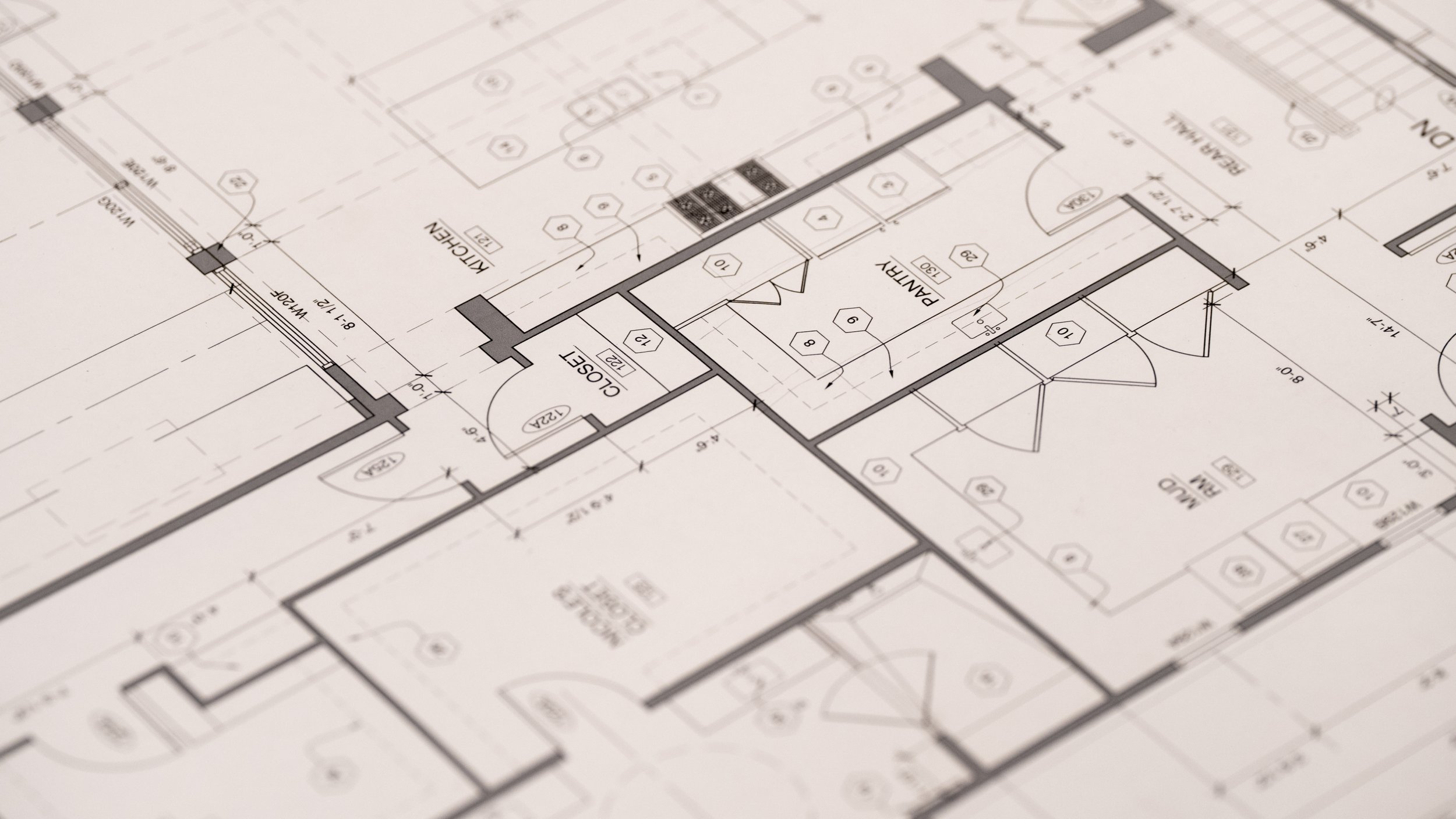
Most people think of home design in terms of appearance. They think about colors, finishes, furniture, countertops, lighting fixtures, and décor. While those elements certainly influence how a home looks, they only tell part of the story. The layout of a kitchen can influence eating habits. The location of a mudroom can affect organization. The placement of a couch can encourage conversation–or discourage it. Even the amount of natural light in a room can impact mood, energy, and productivity. Your home isn’t just a backdrop of daily life, it influences it.
Your Home Constantly Gives You Cues
People's behavior is often driven by environment. We like to think our habits are based purely on discipline or personal choice, but research and experience consistently show that our surroundings play a major role in the decisions we make.
Think about it:
If healthy snacks are visible, you’re more likely to eat them.
If your home office is comfortable and organized, you’re more likely to focus.
If clutter accumulates easily, you’re more likely to postpone cleaning.
If gathering spaces are inviting, people naturally spend more time together.
Design creates cues that encourage certain behaviors while discouraging others. Most of the time, these influences happen so subtly that we never notice them.
The Kitchen Shapes Family Interaction
Few spaces influence daily habits more than the kitchen. For many families, the kitchen functions as the command center of the home it’s where:
Mornings begin
Homework gets done
Conversations happen
Meals are shared
Guests naturally gather
The design of the kitchen often determines how these interactions unfold. A large island, for example, encourages gathering and conversation. Family members can sit, talk, work, and eat while remaining connected. On the other hand, a cramped or isolated kitchen may unintentionally separate the person preparing meals from everyone else.
Entryways influence Organization
Have you ever noticed how some homes seem to stay organized effortlessly while others constantly feel cluttered? Often, the difference isn’t the homeowner, it’s the design. A well-designed entry sequence can create habits that keep a home organized. Features like:
Mudrooms
Drop zones
Built-in lockers
Shoe storage
Charging stations
Coat hooks
Provide natural places for everyday items to land. Without these systems, backpacks end up on floors, shoes pile up near doors, and clutter begins to spread throughout the home.
Lighting Impacts Mood More Than We Realize
Light affects us physically and emotionally. Natural can influence:
Energy levels
Productivity
Focus
Sleep patterns
Overall mood
Homes with abundant natural light often feel more inviting, uplifting, and comfortable. Conversely, dark spaces can sometimes feel smaller, less energizing, and less welcoming. That’s one reason designers place so much emphasis on window placement, lighting layers, and thoughtful illumination.
Homes Can Encourage Connection–or Isolation
One of the most powerful ways design influences behavior is through relationships. The spaces we create affect how often people naturally interact. For example:
Open sightlines encourage connection.
Comfortable gathering spaces invite conversation.
Outdoor living areas encourage entertaining.
Shared family spaces promote togetherness.
At the same time, private retreats remain equally important. The most successful homes often balance both–providing opportunities for connection while still offering places for solitude and rest.
Outdoor Spaces Encourage Different Lifestyles
Outdoor living areas do more than add square footage. They often change how people spend their time. A comfortable outdoor space may encourage:
Family dinners outside
Morning coffee routines
Evening conversations
Entertaining friends
Increased time outdoors
Without intentional outdoor spaces, many of those experiences never become part of daily life.
Most homeowners focus on what a home looks like. But some of the most important design decisions affect what a home does. Stay tuned as we here at KBUILD can’t wait to show you what comes next. If you’re interested in your own project, reach out to us at 636-362-2015, send us an email at kbuild@kbuildit.com, or click the link to go straight to our project inquiry form. We will respond promptly and help you follow through with the next steps to start on your custom project today!