The Real Cost of Cheap Materials
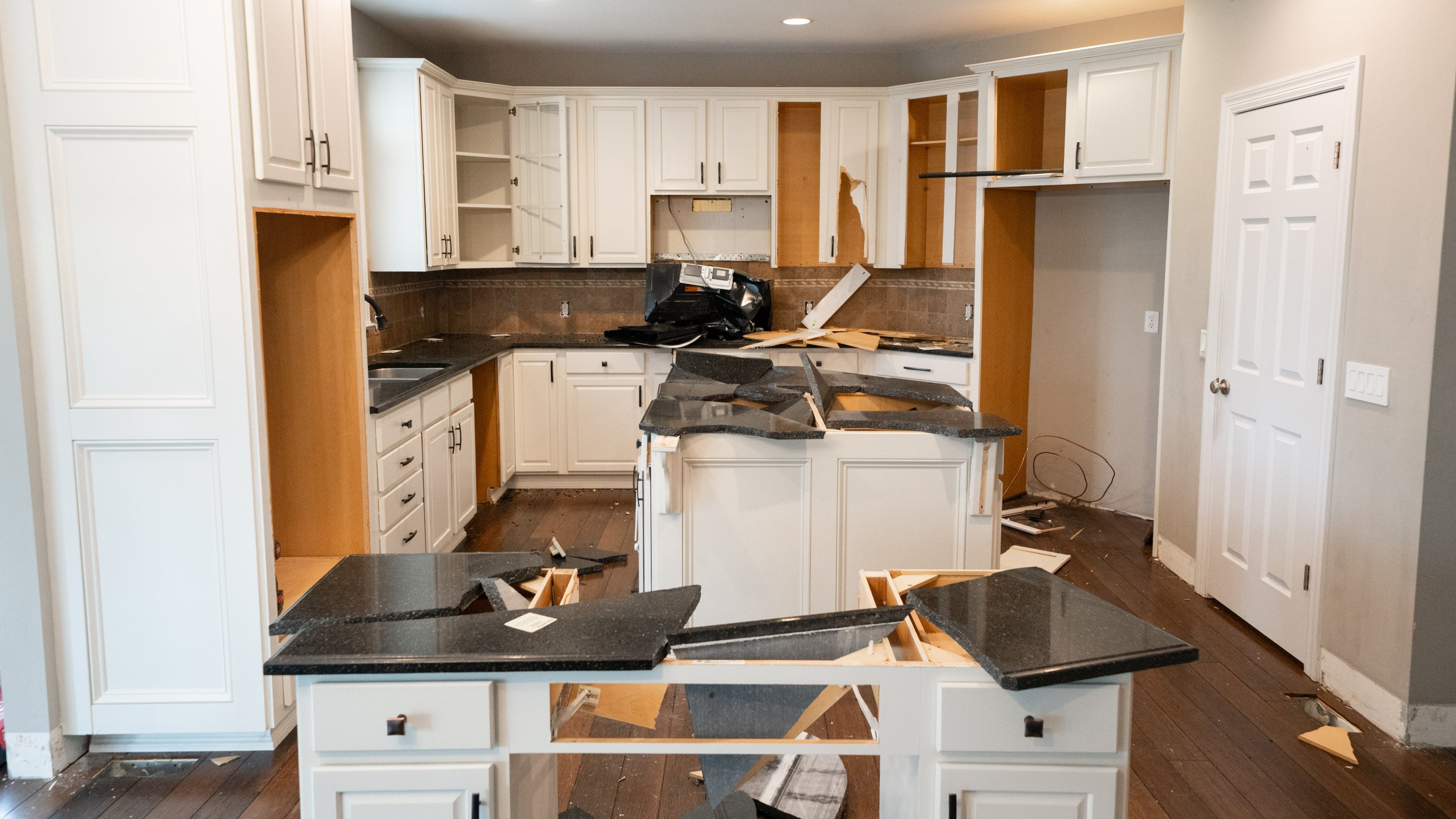
When homeowners begin planning a remodel or custom build, one of the biggest temptations is trying to cut costs through materials. At first glance, the cheaper option can seem almost identical to the premium one. The color may even look similar. The finish may be photographed well online. The price difference might even feel difficult to justify in the moment.
But what many homeowners eventually discover is that materials impact far more than appearance. They affect how a home functions, how long it lasts, how it feels to live in every day, and how well it holds up over time.
Cheap Materials Often Age Faster
One of the biggest differences between high-quality and low-quality materials is longevity. Lower-cost materials are often manufactured to reduce expense rather than maximize durability. While they may initially look good, they typically wear down much faster under normal daily use.
This can show up as:
Cabinets beginning to sag or chip
Flooring scratching easily
Countertops staining or dulling
Faucets loosening over time
Paint finishes wearing unevenly
Hardware fading or breaking
In high-traffic areas like kitchens and bathrooms, these issues can appear surprisingly quickly.
The “Replace It Later” Mentality Usually Costs More
Many homeowners choose cheaper materials thinking they can always upgrade later.
The problem is that replacing materials later is rarely simple or inexpensive.
For example:
Replacing countertops may require plumbing removal
Swapping Flooring often affects trim, cabinets, and transitions
Changing cabinetry can impact layout and electrical work
Replacing tile may involve demolition and waterproofing repairs
What initially felt like a cost-saving decision can eventually lead to:
Additional labor costs
More disruption
Longer timelines
Paying for the same project twice
In many cases, investing slightly more upfront actually becomes the more economical choice long term.
Cheap Materials Can Affect the Entire Feel of a Space
Even when homeowners can’t immediately identify why a room feels “off”, material quality plays a huge role in how a space is experienced. Luxury doesn’t always come from extravagant design.
Often, it comes from:
Solid, substantial finishes
Consistent textures
Durable surfaces
Smooth operation
Attention to detail
Cheap materials can unintentionally make a space feel temporary, hollow, or unfinished – even if the design itself is beautiful
Moisture and Heat Reveal Weakness Quickly
Bathrooms, kitchens and laundry rooms are especially demanding environments. Humidity, temperature changes, water exposure, and heavy use all put materials under constant stress. This is where cheaper products often fail fastest.
Common problems include:
Warped cabinetry
Peeling laminate
Swollen MDF
Cracked grout
Delaminating flooring
Rusting fixtures
In remodeling, material selection is not just aesthetics – it’s about performance.
Not All “Luxury Looking” Materials Are Actually Durable
Social media has made it easier than ever for products to look impressive online. But appearance alone doesn’t always tell the full story.
Some lower-cost materials are designed to mimic high-end finishes visually while sacrificing:
Durability
Structural integrity
Repairability
Longevity
Consistency
That doesn’t mean every expensive material is automatically better. It simply means homeowners should look beyond appearance alone and consider:
How the material performs
How it feels
How it ages
How it’s manufactured
What kind of maintenance it requires
A beautiful product that deteriorates quickly often becomes frustrating instead of enjoyable.
Cheap Materials Can Lower Resale Appeal
Buyers may not always know the exact product used in a home, but they can usually sense overall quality.
Things like:
Hollow doors
Uneven finishes
Thin flooring
Low-grade hardware
Poor cabinet construction
Can subtly influence how buyers perceive the value of the home overall. On the other hand, durable and well-executed finishes help create a stronger impression of quality craftsmanship and long-term care.
There’s a a Difference Between Budget-Conscious and Cheap
Choosing quality materials doesn’t mean every project needs the most expensive option available. Smart budgeting is important. In many projects, the goal is not to spend more everywhere – it’s to spend wisely in the areas that matters most.
That may mean:
Prioritizing custom cabinetry over decorative upgrades
Investing in better flooring for high-traffic areas
Choosing durable plumbing fixtures
Selecting timeless finishes over trendy ones
A thoughtful approach to material selection focuses on value, longevity, and performance rather than simply choosing the lowest price.
Cheap materials rarely feel expensive at the moment. Quality materials may cost more upfront, they often provide longevity, reliability, and peace of mind. Stay tuned as we here at KBUILD can’t wait to show you what comes next. If you’re interested in your own project, reach out to us at 636-362-2015, send us an email at kbuild@kbuildit.com, or click the link to go straight to our project inquiry form. We will respond promptly and help you follow through with the next steps to start on your custom project today!